







What are the IOSH Courses Assessments, Tests and Projects?
The comprehensive guide to our range of IOSH courses, including the assessments, units, syllabus information and more to get you started.
IOSH Working Safely test
IOSH Working Safely is a basic awareness course, which is designed to be accessible for all levels of workers, no matter what their level of health and safety knowledge. The Working Safely course is split into two units with a separate assessment for each which is completed at the end of the course in class or online.
Unit one is assessed through a multiple-choice test, taken at the end of the course, which asks learners to apply what they have learnt through their studies. It is not an open book exam but the questions are all clearly worded with simple language and understandable concepts.
Unit two is assessed through a hazard spotting exercise where learners are asked to identify hazards within a given workplace scenario. This is a short timed assessment with 16 questions to answer. On successful completion of both of these units, the IOSH Working Safely Certificate can be awarded.
IOSH Managing Safely exam and project
IOSH Managing Safely is assessed through a combination of a short written exam and a workplace risk assessment project. Both of these are taken once you have completed the Managing Safely course and studied the full syllabus. Both elements of the assessment need to be completed successfully before the IOSH Managing Safely Certificate can be awarded.
This multiple choice exam is the first part of the assessment that learners tackle and is usually taken immediately after completion of the course material. This is regardless of whether you are learning online or in a classroom. The number of questions differs depending on your chosen study method but aside from this the style and difficulty of questions remains the same across all learning platforms.
The second element of the assessment is the workplace risk assessment project. This IOSH Managing Safely project must be completed and handed in within two weeks after the short written exam and no later. Check the deadline of submission for your IOSH Managing Safely project with your course provider.
The project tasks learners with looking at the health and safety measures currently used at their workplace and asks them to carry out a risk assessment to see where improvements could be made. You will generally be provided with a risk assessment form by your study centre to complete and then hand back in. More information and guidance on completing this IOSH Managing Safely risk assessment project can be found on our blog. It is a “must-read” if you are planning to complete this very popular certificate.
IOSH Safety for Executives and Directors assessment
IOSH Safety for Executives and Directors adopts a different and more practical approach to assessment. You have to complete a personal commitment action plan, which includes up to three actions that are appropriate for the level of responsibility held in their organisation. This is not a formal assessment as such but is designed to make sure that learners can take away valuable input from their course. They will then be able to apply this in their workplace creating a safer and more productive working environment.
Completing your assessments
As you can see, the assessment for each of the IOSH courses varies slightly, but the main point to take away is that all of them are straightforward and designed to be accessible and achievable. There is no need to feel overwhelmed by the prospect of exams, tests or projects. A well-structured IOSH training course will prepare you to fly through the assessments so once you have successfully completed them you will have achieved this internationally recognised and respected IOSH certificate.
To view our range of IOSH courses click the button below!
Related Blogs
-
More Than 6 Million Vapes Binned Each Week as Battery Fires Hit Waste Sites
Find out why binned vapes are causing battery fires in bin lorries and waste sites, and what health and safety teams can do to cut the risk.12.10.26 -
Most E-Bike and E-Scooter Fires Reported in 2025 Started Indoors or at Home
OPSS received reports of 267 e-bike and e-scooter fires in 2025, and 55% started indoors. Brenig Moore explains what it means for your fire risk assessment.06.10.26 -
Nearly Half of UK Employers Step Up In-House Talent Development, CIPD Report Finds
Nearly half of UK employers are growing talent in-house, says the CIPD. Brenig Moore explains what it means for safety training and competence.29.09.26 -
TfL to Retrofit Bus Cabs With Air Conditioning by 2027 Following Driver Heat Complaints
Discover what TfL’s pledge to air condition bus cabs by 2027 means for heat risk, duty of care and the UK’s missing legal temperature limit.22.09.26 -
New Law Makes Employers Liable for Third-Party Harassment from October 2026
From 30 October 2026, employers can be liable for harassment of staff by customers and clients. Brenig Moore explains the change and the reasonable steps to take now.15.09.26 -
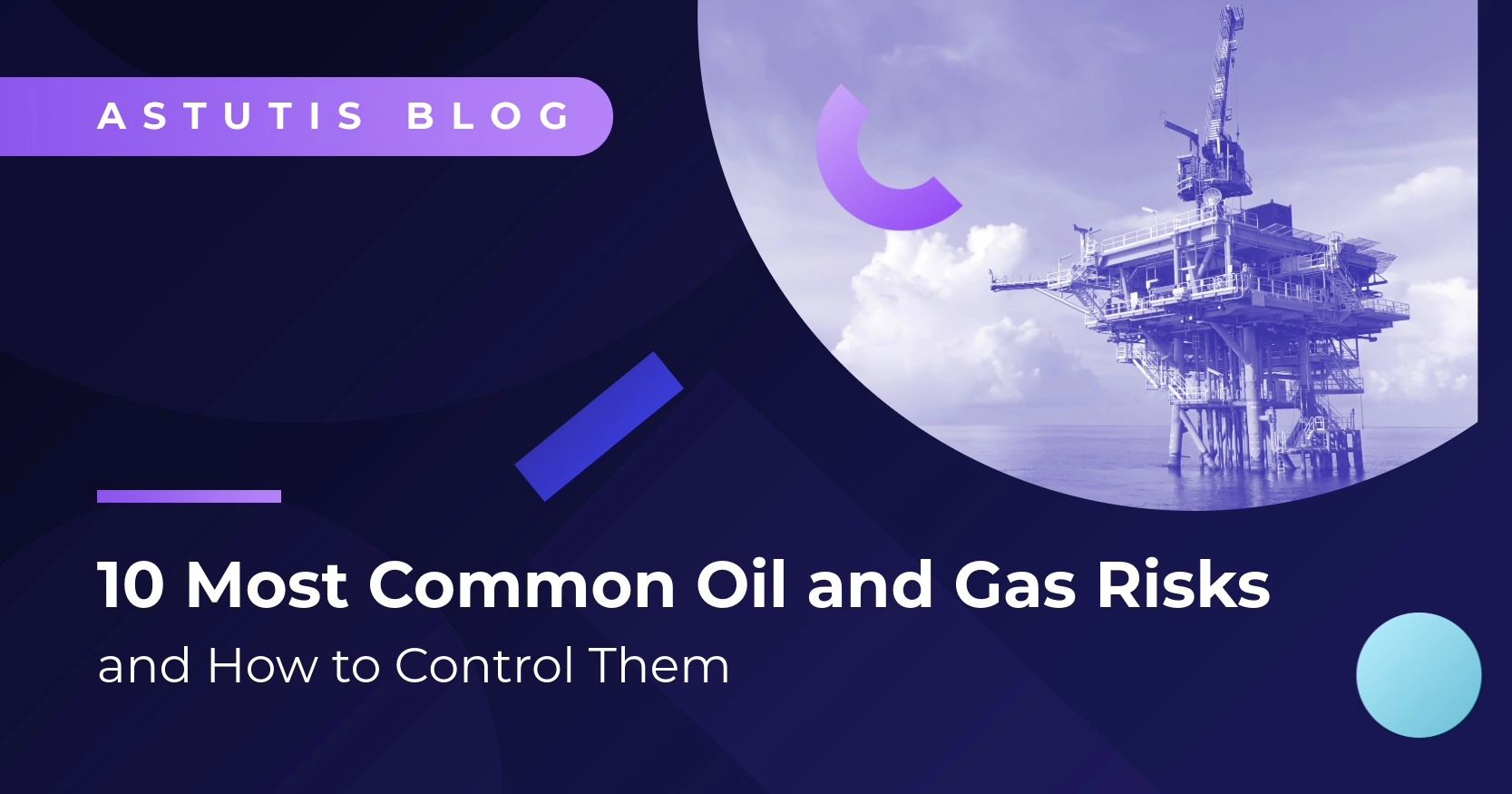
10 Most Common Oil and Gas Risks and How to Control Them
Discover the 10 most critical oil and gas industry risks and proven control strategies from HSE expert Brenig Moore. Essential guide for safety pros.15.09.26

Real Life Stories

