







What Are the Best Health and Safety Courses for Managers in 2026?
If you manage people, you manage risk. It’s the reality for every line manager, supervisor, and team leader in the UK.
Having helped thousands of learners across every sector imaginable find the right course for them, I’ve seen how the right course at the right time can build a manager’s confidence and their team’s safety. But with so many qualifications available, choosing where to start (or what to add next) can feel overwhelming.
Here are the three health and safety courses I recommend most often to managers in 2026, and why each one earns its place.
IOSH Managing Safely | The Foundation Every Manager Needs
What Is IOSH Managing Safely and Who Is It For?
IOSH Managing Safely is the market-leading health and safety course for line managers. Developed by the Institution of Occupational Safety and Health (the world’s largest chartered body for health and safety professionals), it gives managers and supervisors the practical tools to assess risks, control hazards, and investigate incidents in any sector.
It’s the course I point people towards when they ask: “Where do I start?” Whether you’re a new team leader in retail, a site supervisor in manufacturing, or a department head in healthcare, IOSH Managing Safely speaks your language. The beauty of it is its universality. You don’t need a safety background to enrol, and you come out with a globally recognised certificate.
Why Does This Course Matter in 2026?
It’s assessed through a mixed-format exam and a practical workplace risk assessment, which means learners apply what they’ve learned to their own environment before they even finish the course. At Astutis, we also include a free Human Factors bonus module, exploring safety culture, human failure, and risk perception – topics that are becoming increasingly important as workplaces evolve.
Astutis Permit to Work | Confidence in High-Risk Procedures
What Is the Permit to Work Course and Who Is It For?
A permit-to-work system is one of the most critical safety controls in high-risk environments. It’s the formal process that ensures hazardous tasks – hot work, confined space entry, electrical isolations – are planned, authorised, and controlled before anyone picks up a tool. When a permit to work system fails, the consequences are rarely minor.
The Astutis Permit to Work course is designed for anyone who will be working within or managing a permit-to-work system. It’s a one-day programme that covers legal requirements, the essential elements of a permit system, managing isolations, and applying workplace precautions for specific high-risk activities including hot work, confined spaces, and excavations.
Why Does This Course Matter in 2026?
Falls from height remain the single biggest killer in UK workplaces, accounting for 35 of 124 worker fatalities in 2024/25. Construction alone saw 35 deaths, with the sector’s fatal injury rate sitting at 4.8 times the all-industry average. Many of these incidents occur during tasks that should have been controlled by a permit-to-work system, but the system was either absent, incomplete, or poorly understood by those carrying out the work.
What I’ve seen in practice is that organisations often have a permit-to-work system on paper, but the people using it day to day don’t fully understand their role within it. Our course is particularly relevant for managers overseeing maintenance shutdowns, site refurbishments, or any environment where multiple contractors are carrying out overlapping high-risk tasks. The Health and Safety at Work Act 1974 requires employers to provide systems of work that are safe and without risks to health, and a well-run permit to work system is one of the most effective ways of demonstrating that duty.
Astutis Managing Contractors IIRSM Approved | Control Where It Counts
What Is the Managing Contractors Course and Who Is It For?
Contractor management is one of the areas where I see managers struggle most. You’re responsible for the safety of people who don’t work for you directly, operating in environments they may not be familiar with, often under tight deadlines. Get the selection, planning, or monitoring wrong and you’re exposed – legally, financially, and morally.
The Astutis Managing Contractors course is a four-hour online programme that teaches the techniques of assessing, selecting, planning, monitoring, and reviewing contractors. It meets the requirements set out in HSG 159 and INDG 368, and is approved by the International Institute of Risk and Safety Management (IIRSM). The course covers five units: the moral, financial, and legal drivers; improving health and safety performance; clients and contractors; common contractor hazards; and the Construction (Design and Management) Regulations 2015.
Why Does This Course Matter in 2026?
We recently analysed ten years of HSE data and found that construction has seen no meaningful reduction in fatalities over the past decade. 35 deaths in 2015, 35 in 2025, with a peak of 42 in 2020. Over the same period, other high-risk sectors like agriculture and manufacturing have made visible progress. A significant proportion of construction incidents involve smaller subcontractors working within larger, principal contractor-managed projects. Self-employed workers account for 45% of construction deaths, often operating with less access to formal safety training and supervision.
This is exactly the scenario that robust contractor management training addresses. If you’re responsible for procuring, appointing, or overseeing contractors on your site, this course gives you a structured framework to reduce that risk. At four hours, it’s one of the most time-efficient investments a manager can make. And given that the estimated annual cost of workplace injuries and ill health stands at £22.9 billion nationally, the return on that investment is hard to argue with.
How Do You Choose the Right Course?
There’s no single course that covers everything. The right choice depends on your role, your sector, and where the biggest risks sit in your day-to-day work. Here’s how I typically advise managers:
If you’re new to health and safety responsibilities, start with IOSH Managing Safely. It gives you the broadest foundation and a globally recognised certificate.
If you oversee high-risk tasks like hot work, isolations, or confined space entry, add the Permit to Work course. It’s practical, focused, and directly applicable.
If you procure or manage external contractors, the Managing Contractors course is essential. It’s especially relevant in construction, facilities management, and any sector where contractor work is routine.
For many managers, the answer is a combination. IOSH Managing Safely provides the foundation; the Permit to Work and Managing Contractors courses build specialist capability on top of it.
Ready to take the next step? Explore the full range of Astutis courses for managers or speak to one of our course advisors who can recommend the right training path for your role and your team.
Astutis Insights
-
More Than 6 Million Vapes Binned Each Week as Battery Fires Hit Waste Sites
Find out why binned vapes are causing battery fires in bin lorries and waste sites, and what health and safety teams can do to cut the risk.12.10.26 -
Most E-Bike and E-Scooter Fires Reported in 2025 Started Indoors or at Home
OPSS received reports of 267 e-bike and e-scooter fires in 2025, and 55% started indoors. Brenig Moore explains what it means for your fire risk assessment.06.10.26 -
Nearly Half of UK Employers Step Up In-House Talent Development, CIPD Report Finds
Nearly half of UK employers are growing talent in-house, says the CIPD. Brenig Moore explains what it means for safety training and competence.29.09.26 -
TfL to Retrofit Bus Cabs With Air Conditioning by 2027 Following Driver Heat Complaints
Discover what TfL’s pledge to air condition bus cabs by 2027 means for heat risk, duty of care and the UK’s missing legal temperature limit.22.09.26 -
New Law Makes Employers Liable for Third-Party Harassment from October 2026
From 30 October 2026, employers can be liable for harassment of staff by customers and clients. Brenig Moore explains the change and the reasonable steps to take now.15.09.26 -
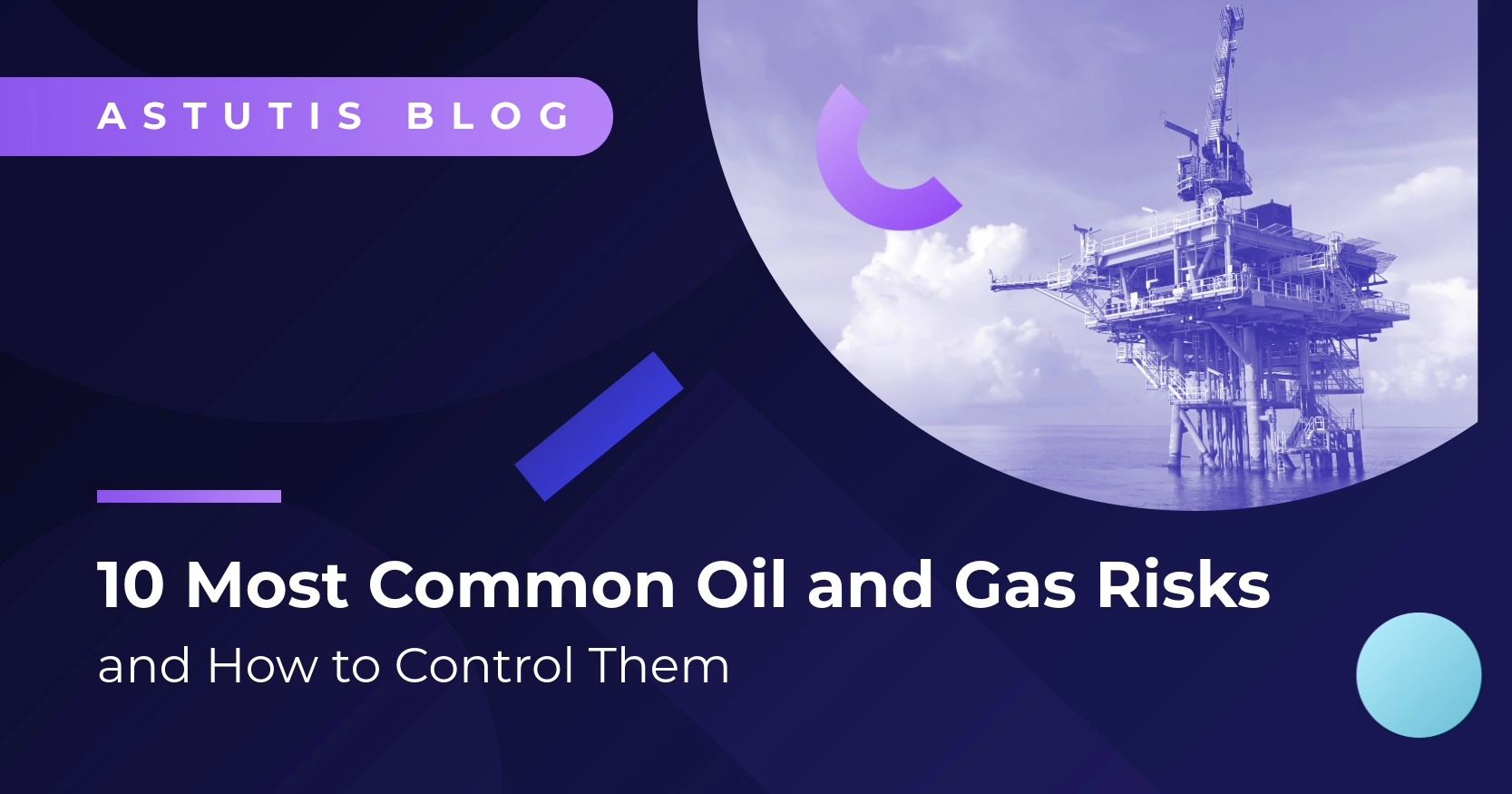
10 Most Common Oil and Gas Risks and How to Control Them
Discover the 10 most critical oil and gas industry risks and proven control strategies from HSE expert Brenig Moore. Essential guide for safety pros.15.09.26

Real Life Stories

