







Why Do Managers Need to Be Health and Safety Trained?
Taking a top-down approach to health and safety is vital to keeping workplaces safe for employees. If you’re looking to be a part of line management of any kind, you need to understand your health and safety responsibilities, and the role you play in them.
It is easy to overlook the importance of health and safety when you’re dealing with the heavy workloads that are common in high-ranking positions. However, health and safety should be adopted by every member of the workplace irrespective of their role and position in an organisation.
For employees to see the importance of health and safety, management must also demonstrate an effort to adopt safe practices. Show, don’t tell, and lead by example.
The Legal, Moral and Financial Reasons for Manager Health and Safety Training
Legal
The legal reasoning for health and safety training for managers is crystal clear. Managers and supervisors have a responsibility to ensure their staff are working safely and are not at risk of accident or injury.
The Health and Safety at Work Act is the main law governing health and safety at work in the UK. This legislation places general duties on employers (risk assessments etc.) to do what is reasonably practical to ensure the health and safety of their workforce and others who may be affected by their work.
Moral
Aside from their legal duties, employers have a moral duty to keep their employees safe. Health and safety is not just about protecting your organisation from legal harm. Outside of the individual person, it is important to remember that every person has a family and loved ones who hope they come home safe and sound every day.
The emotional toll of an accident is indescribable, and a serious workplace accident can irreparably damage a person’s life emotionally, physically and financially.
Financial
The financial reasoning for taking health and safety training comes down to several factors. The financial consequences of workplace accidents and neglecting proper training can be devastating. On the flip side, proper investment in training managers in health and safety yields incredible cost savings.
When all is said and done, accidents cost money. Insurance increases, legal expenses, staff replacement, lost time, fines, and property damage are just a few of the potential monetary impacts an organisation and individuals will face.
According to the Health and Safety Executive (HSE), an estimated 33.7 million working days were lost in 2023/24 due to self-reported work-related ill health or injury. Additionally, In 2022/23, the estimated annual costs of workplace injury and ill health from current working conditions £21.6 billion.
The business could also see decreased patronage from customers and businesses via reputational damage in the industry.
What Should Managers Know About Health and Safety?
The law says that all workers must be properly trained to carry out their job roles safely. With this in mind, managers must look to understand the following:
- The importance of managing health and safety and the consequences of failing to do so.
- How accidents and incidents occur and how to prevent them.
- The identification, evaluation and control of workplace risks.
- Legal requirements for managing health and safety under the Health and Safety at Work Act.
- Key elements of a health and safety management system and how to implement them.
- Measuring and improving health and safety performance.
By enrolling managers on our NEBOSH National General Certificate course, organisations can protect themselves from legal and financial consequences whilst also ensuring their employees come home safely.

Related Blogs
-
More Than 6 Million Vapes Binned Each Week as Battery Fires Hit Waste Sites
Find out why binned vapes are causing battery fires in bin lorries and waste sites, and what health and safety teams can do to cut the risk.12.10.26 -
Most E-Bike and E-Scooter Fires Reported in 2025 Started Indoors or at Home
OPSS received reports of 267 e-bike and e-scooter fires in 2025, and 55% started indoors. Brenig Moore explains what it means for your fire risk assessment.06.10.26 -
Nearly Half of UK Employers Step Up In-House Talent Development, CIPD Report Finds
Nearly half of UK employers are growing talent in-house, says the CIPD. Brenig Moore explains what it means for safety training and competence.29.09.26 -
TfL to Retrofit Bus Cabs With Air Conditioning by 2027 Following Driver Heat Complaints
Discover what TfL’s pledge to air condition bus cabs by 2027 means for heat risk, duty of care and the UK’s missing legal temperature limit.22.09.26 -
New Law Makes Employers Liable for Third-Party Harassment from October 2026
From 30 October 2026, employers can be liable for harassment of staff by customers and clients. Brenig Moore explains the change and the reasonable steps to take now.15.09.26 -
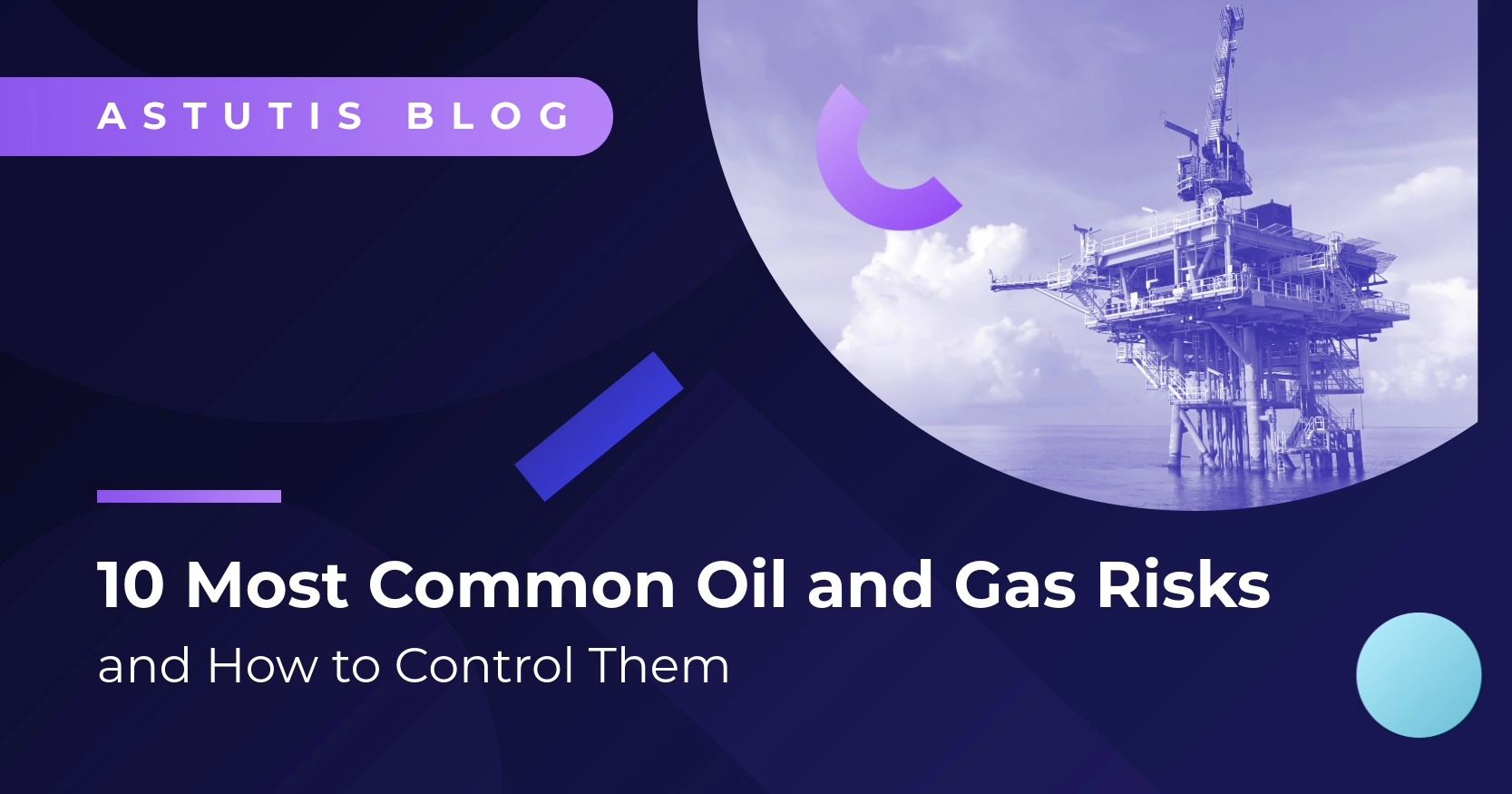
10 Most Common Oil and Gas Risks and How to Control Them
Discover the 10 most critical oil and gas industry risks and proven control strategies from HSE expert Brenig Moore. Essential guide for safety pros.15.09.26

Real Life Stories

