







Simple Steps to Improve Your Environmental Impact
Every year, World Earth Day is celebrated to highlight environmental concerns through education and action. At the time of its inception in 1970, there was a lack of legal and regulatory mechanisms to support environmental protection which US Senator Gaylord Nelson sought to change.
In the UK, we now have a raft of environmental protection legislation in addition to being privy to international agreements and voluntary frameworks. At Astutis we help contribute to climate education by enabling businesses to understand their legal requirements and international policy as well as exploring the voluntary initiatives that are available to them. This not only increases understanding but can also result in action to improve environmental practices and reduce negative impacts within their organisation. Delegates from our varied ISEP and bespoke training courses are often inspired to not only change practices within their workplace, but in their private lives as well.
It is believed that over a billion people will get involved this year in more than 190 countries. If you are not already taking part and are looking for inspiration, here are some ideas:
Conduct an Energy Audit
The Energy Savings Opportunity Scheme (Amendment) Regulations 2023 (ESOS) require large companies in the UK, being those that have 250(+) employees or an annual turnover in excess of £44 million as well as an annual balance sheet totalling over £38 million, to conduct energy audits with the aim of making energy efficiency savings. Smaller organisation could also benefit from audits especially by using half-hourly meter readings which can identify opportunities to reduce energy use and costs by, for example, highlighting times of increased energy usage and perhaps illustrating that equipment is continuing to be powered when the workplace is closed.
Consumers can also conduct their own informal audit using their smart meters which may prompt energy savings by remembering to switch off electricals and lights when not in use.
Calculate Your Carbon Footprint and Aim to Reduce It
The Companies Act 2006 (Strategic Report and Directors’ Report) Regulations 2013 mandates all UK companies quoted on the stock exchange to publish their annual carbon footprint. However, individuals can assess theirs too through tools such as the WWF carbon footprint calculator.
Carbon footprint calculations concentrate on the greenhouse gas emissions from four main areas of life being home, food, travel and consumption. The result is often a surprise as the impact of flying or eating dairy or having a plant-based diet for example, may not be widely understood. The calculation puts this into focus and can lead to behavioural change that enhances environmental protection.
Consider Energy Sources and Switch to a Renewable Energy Supplier
The Companies (Directors’ Report) and Limited Liability Partnerships (Energy and Carbon Report) Regulations 2018 introduced the streamlined energy and carbon reporting (SECR) framework for UK companies listed on the stock exchange or for those with 250(+) employees and a turnover £36 million(+) or £18 million(+) on their balance sheet. These organisations must report on their direct scope 1 emissions which include emissions from petrol and diesel vehicles and scope 2 emissions from, for example, the use of electricity generated elsewhere.
Scope 1 emissions can be reduced by switching company owned petrol/diesel vehicles to electric vehicles powered by renewable energy. Scope 2 emissions are reduced if electricity is produced using renewable sources rather than fossil fuels.
Smaller organisations can voluntarily reduce their impact by adopting similar practices. As consumers we can consider an electric vehicle next time we change our cars and also switch to a 100% renewable tariff if we have not already considered this.
Water Footprint
Water footprints can raise awareness on water sustainability and assist water conservation. They can assess water use by, for example, businesses, countries, products and individuals. For organisations they provide an insight into risks and opportunities such as how their industry may be impacted by climate change and water scarcity which can lead to policy change to manage water more efficiently. Governments can be assisted by better understanding water allocation and management. Footprinting can also help consumers investigate the embodied water in the products they buy and also how those products might contribute to water pollution.
Go Along to Your Local Repair Café
There are now over 130 Repair Café Wales monthly pop-up events. Whilst primarily in Wales, there are some cafés in England and Scotland, the dates are in the attached link. These free events are run by volunteers who will try to fix broken items from toasters and kettles to jewellery and bicycles completely free of charge. The aim is to reduce waste to landfill, share skills and enhance community cohesion. If you have not already visited your local repair café, a warm welcome awaits you.
Enrol on a Course
Earth Day not only advocates for taking action, but also to raise awareness through education. At Astutis we run our own 1-day Environmental Awareness course which is an introduction to the main environmental concerns for industry. In addition, we offer a variety of ISEP accredited courses in different formats to aid learning. Courses can be tutor led in a classroom or virtually via Teams. For those who prefer to work at their own pace, we offer online courses with optional tutor led tutorials. We understand that every business and learner is unique, and courses can be adapted for specific industries, or we can devise completely bespoke courses. Take a look at our full environmental course library to get started.

Environmental Insights
-
More Than 6 Million Vapes Binned Each Week as Battery Fires Hit Waste Sites
Find out why binned vapes are causing battery fires in bin lorries and waste sites, and what health and safety teams can do to cut the risk.12.10.26 -
Most E-Bike and E-Scooter Fires Reported in 2025 Started Indoors or at Home
OPSS received reports of 267 e-bike and e-scooter fires in 2025, and 55% started indoors. Brenig Moore explains what it means for your fire risk assessment.06.10.26 -
Nearly Half of UK Employers Step Up In-House Talent Development, CIPD Report Finds
Nearly half of UK employers are growing talent in-house, says the CIPD. Brenig Moore explains what it means for safety training and competence.29.09.26 -
TfL to Retrofit Bus Cabs With Air Conditioning by 2027 Following Driver Heat Complaints
Discover what TfL’s pledge to air condition bus cabs by 2027 means for heat risk, duty of care and the UK’s missing legal temperature limit.22.09.26 -
New Law Makes Employers Liable for Third-Party Harassment from October 2026
From 30 October 2026, employers can be liable for harassment of staff by customers and clients. Brenig Moore explains the change and the reasonable steps to take now.15.09.26 -
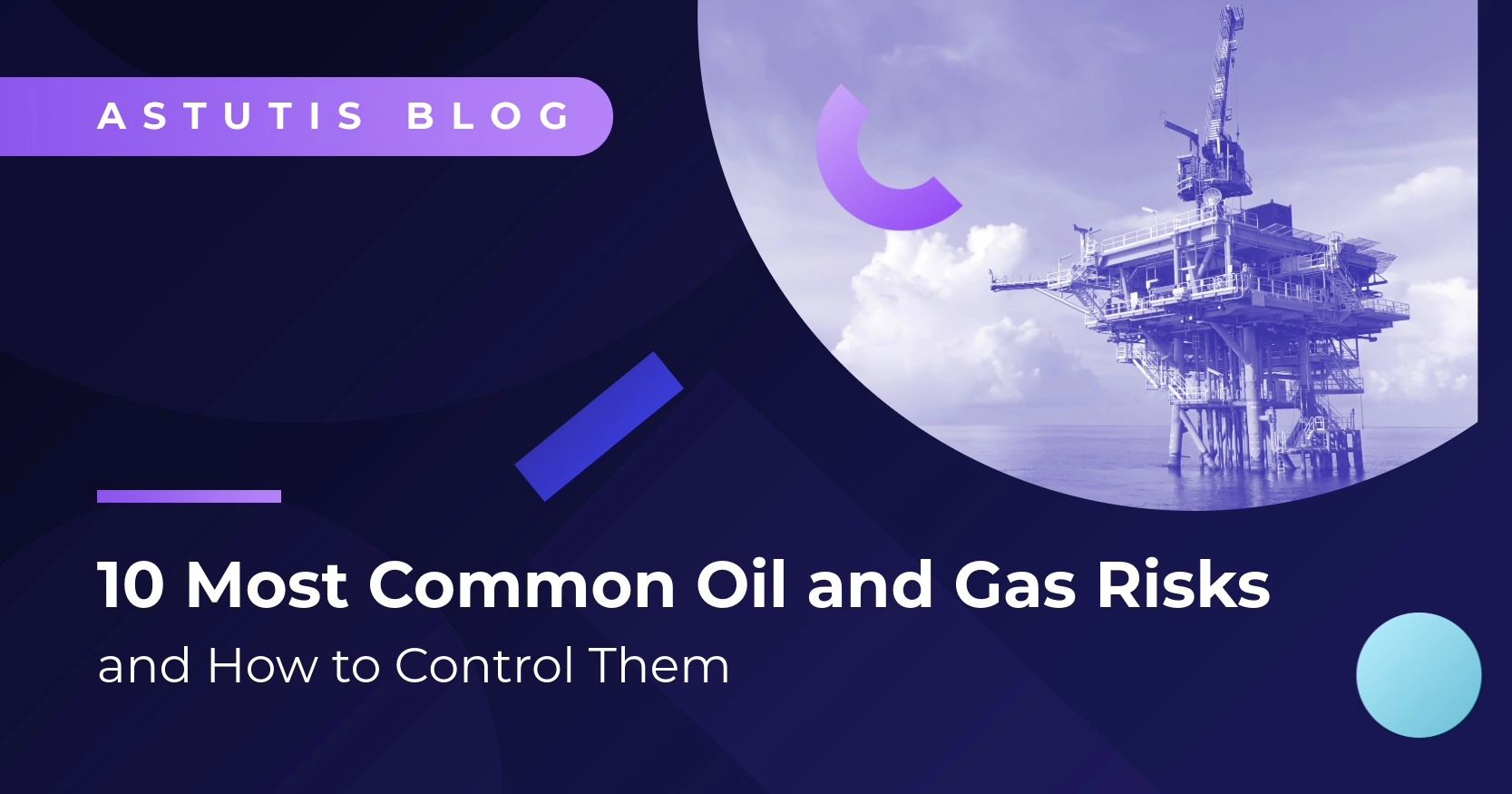
10 Most Common Oil and Gas Risks and How to Control Them
Discover the 10 most critical oil and gas industry risks and proven control strategies from HSE expert Brenig Moore. Essential guide for safety pros.15.09.26

Real Life Stories

