







Europe Moves to Make Workplace Burnout an Employer's Legal Duty
I've spent close to four decades in health and safety — enforcement, consultancy, training — and for most of that time, if you'd said the word "stress" to a room of safety practitioners, you'd have watched them quietly file it under HR. Real safety was the stuff you could see: the unguarded machine, the missing edge protection, the substance without a data sheet. Stress was somebody else's job.
That instinct has done a lot of quiet damage, and the evidence has finally caught up with it. Last week a committee of MEPs in Brussels voted to ask the European Commission for a binding law on work-related psychosocial risk. It won't apply here — but it's a useful moment to say something I've believed for years: managing psychosocial risk was never a wellbeing perk. It's a legal duty, and it has been for a long time.
What Do We Actually Mean by Psychosocial Risk?
If the term is new to you, here's the plain-English version. A psychosocial risk is anything about the way work is designed, organised or managed that can harm someone's mental or physical health. It's not about individual fragility. It's about the job itself.
The usual culprits are well established in the research:
- Excessive workload and relentless time pressure.
- Little control over how the work gets done.
- Poor support from managers or colleagues.
- Bullying, harassment and violence — including from third parties like customers or patients.
- Job insecurity and badly handled organisational change.
- And, increasingly, the pressure of being monitored and managed by algorithm.
Left unmanaged, these don't just cause burnout, anxiety and depression. Prolonged stress is linked to cardiovascular disease and musculoskeletal disorders too. The idea that it's "all in the head" is one of the more expensive myths our profession has clung to.
How Big Is the Problem, Really?
Big enough that it's now the single largest cause of work-related ill health in Great Britain. The HSE's own figures for 2024/25 make uncomfortable reading:
- 964,000 workers suffering from work-related stress, depression or anxiety — up from 776,000 the year before.
- 22.1 million working days lost to those conditions in a single year.
- 52% of all work-related ill health, and 62% of all working days lost to ill health, now down to stress, depression or anxiety.
Read that middle figure again. More than half of the ill health our workplaces generate is psychosocial in nature. If more than half of your physical injuries came from one cause, you'd have re-engineered the process by Friday. Yet the same urgency rarely shows up when the harm is psychological.
Why Europe Decided Guidance Wasn't Enough
The EU move didn't come from nowhere. EU-OSHA's most recent Europe-wide survey of employers, ESENER 2024, found that psychosocial risk management across Europe has barely shifted since 2019 — a decade of near-standstill. Time pressure sat at 43% of establishments, statistically unchanged across three survey waves. More tellingly, around a quarter of employers said they had no psychosocial risk factors at all — which, frankly, tells you more about their risk assessments than their workplaces.
That stagnation is the real story. When voluntary guidance produces ten years of flat results, legislators start reaching for something with teeth. The MEPs' rapporteur put the economic case bluntly: work-related depression is estimated to cost the EU around €100 billion a year. Whatever you think of the number, the direction of travel is unmistakable — psychosocial risk is being pulled firmly into the mainstream of occupational safety and health.
Here's the Part UK Employers Miss: You Already Have This Duty
I hear it often — "that's an EU thing, it doesn't affect us." It's half right and wholly complacent.
The legislation is different; the obligation isn't. Under the Health and Safety at Work etc. Act 1974 and the Management of Health and Safety at Work Regulations 1999, every UK employer must assess and control risks to their workers' health — and health has never meant only the physical kind. The HSE spelt this out years ago with its Management Standards for work-related stress, which set out six areas employers are expected to manage: demands, control, support, relationships, role and change.
So the duty is already sitting in your existing legal framework. What the EU is proposing isn't a new concept — it's a louder, more explicit version of something British employers are already meant to be doing. The uncomfortable truth is that many aren't, and the HSE numbers show it.
What Good Looks Like: Four Things to Do This Quarter
Enough diagnosis. In my consultancy years, the organisations that got this right didn't launch a mindfulness app and call it done. They treated psychosocial risk exactly like any other hazard — systematically. Here's where I'd start:
1. Put it in the risk assessment — properly.
If your assessments stop at slips, trips and the COSHH file, they're incomplete. Use the HSE Management Standards as your framework and assess demands, control, support, relationships, role and change like the hazards they are. If you're one of the employers who'd tick "no psychosocial risk," that's your first red flag.
2. Make your managers competent, not just aware.
Line managers shape workload, support and how change lands. They are your primary control measure — and most have never been trained to see it that way. A manager who can spot early warning signs and adjust the work is worth more than any policy document.
3. Watch the digital dimension.
Algorithmic management, always-on monitoring and AI-driven performance tracking are creating psychosocial risks faster than most assessments account for. The EU proposal singles these out for a reason. If you're introducing automated monitoring, assess its human impact before you switch it on — not after the grievances arrive.
4. Build a genuine return-to-work route.
Someone off with work-related stress needs a planned, supported return — adjusted hours, adapted tasks, a phased path back. Done well, it prevents the revolving door of relapse. Done badly, or not at all, you simply lose people.
The Honest Bottom Line
Don't manage psychosocial risk because Brussels might one day make you. Manage it because you already have a legal duty, because the harm is real and measurable, and because — if I'm honest — it's the right thing to do for the people who work for you.
The organisations reading the direction of travel are acting now. The ones waiting to be compelled are reading the situation backwards. Competence is the thread that ties it together: you cannot manage a risk your people don't recognise. That's why, for me, psychosocial risk belongs squarely in your safety training — not filed away under wellbeing, where our profession left it for far too long.
Frequently Asked Questions
What Is a Psychosocial Risk in the Workplace?
A psychosocial risk is any aspect of how work is designed, organised or managed that can cause psychological or physical harm. Common examples include excessive workload, lack of control over the work, poor support, bullying and harassment, job insecurity, and the pressures of digital monitoring and algorithmic management.
Is Managing Work-Related Stress a Legal Requirement in the UK?
Yes. The Health and Safety at Work etc. Act 1974 and the Management of Health and Safety at Work Regulations 1999 require employers to assess and control risks to workers' health, which includes mental health. The HSE's Management Standards set out six areas — demands, control, support, relationships, role and change — that employers are expected to manage to prevent work-related stress.
Will the EU's Proposed Psychosocial Risk Law Apply to UK Employers?
No. Any directive resulting from the initiative would apply to EU member states rather than the UK. However, the risks it targets are already covered by existing UK health and safety law, so the practical obligations on UK employers are broadly similar in substance.
How Do You Assess Psychosocial Risk?
Treat it like any other hazard. Use a recognised framework such as the HSE Management Standards to assess workload, control, support, working relationships, role clarity and how change is managed. Involve workers, record your findings, put control measures in place, and review them regularly — the same cycle you'd apply to a physical risk.
Want more practitioner-led analysis like this, straight to your inbox? Sign up for the Astutis Quarterly Newsletter, or read the latest from our This Week in Health and Safety series on the Astutis Hub.

This Week in Health and Safety
-
More Than 6 Million Vapes Binned Each Week as Battery Fires Hit Waste Sites
Find out why binned vapes are causing battery fires in bin lorries and waste sites, and what health and safety teams can do to cut the risk.12.10.26 -
Most E-Bike and E-Scooter Fires Reported in 2025 Started Indoors or at Home
OPSS received reports of 267 e-bike and e-scooter fires in 2025, and 55% started indoors. Brenig Moore explains what it means for your fire risk assessment.06.10.26 -
Nearly Half of UK Employers Step Up In-House Talent Development, CIPD Report Finds
Nearly half of UK employers are growing talent in-house, says the CIPD. Brenig Moore explains what it means for safety training and competence.29.09.26 -
TfL to Retrofit Bus Cabs With Air Conditioning by 2027 Following Driver Heat Complaints
Discover what TfL’s pledge to air condition bus cabs by 2027 means for heat risk, duty of care and the UK’s missing legal temperature limit.22.09.26 -
New Law Makes Employers Liable for Third-Party Harassment from October 2026
From 30 October 2026, employers can be liable for harassment of staff by customers and clients. Brenig Moore explains the change and the reasonable steps to take now.15.09.26 -
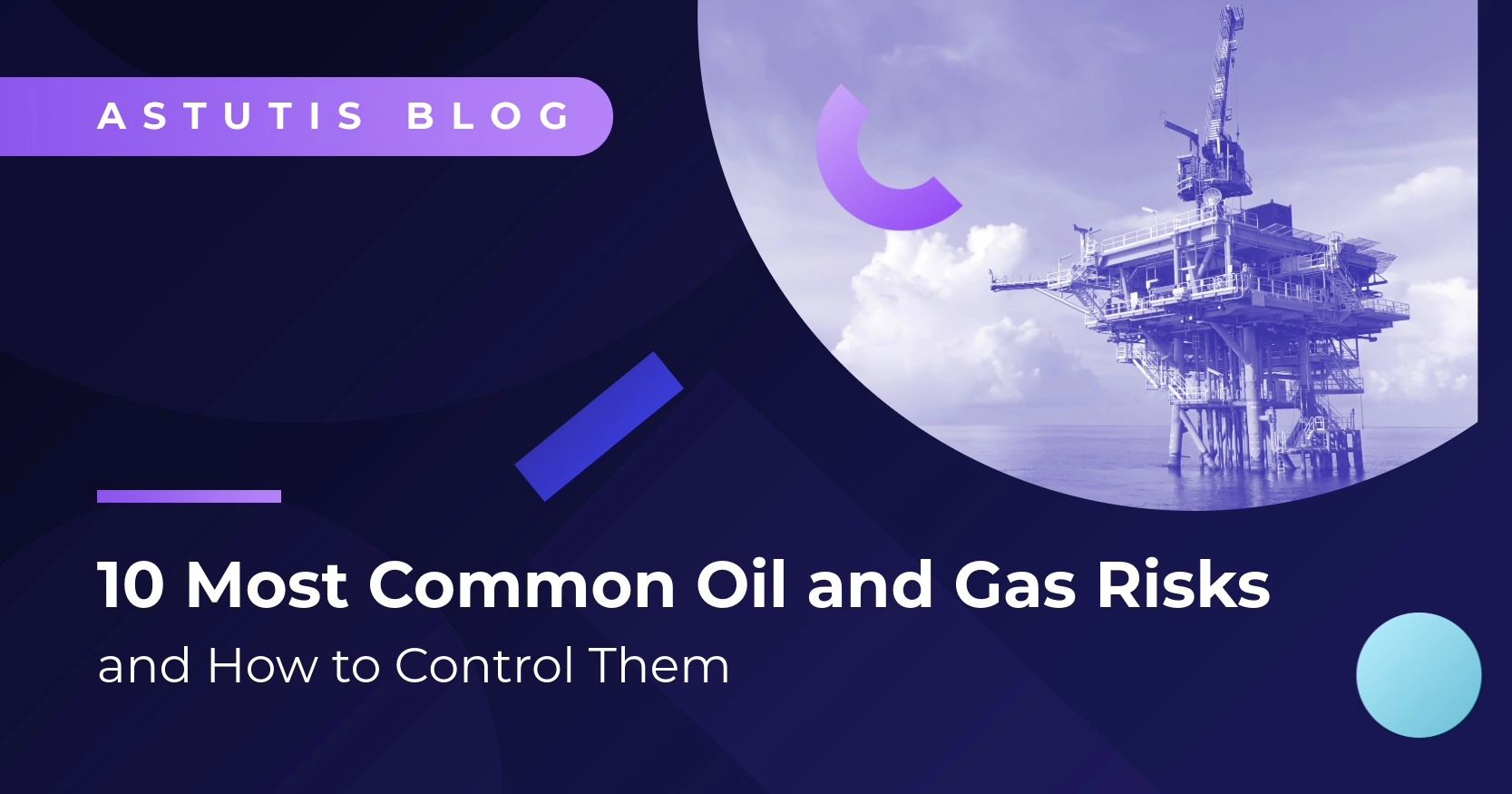
10 Most Common Oil and Gas Risks and How to Control Them
Discover the 10 most critical oil and gas industry risks and proven control strategies from HSE expert Brenig Moore. Essential guide for safety pros.15.09.26

Real Life Stories

