




COP 31 Antalya | What Businesses Need to Know
Record breaking extreme weather events in the UK this year include the wettest January, the worst July for wildfires in England, the hottest summer and three named storms in October. Whilst it is not always possible to attribute individual weather events to climate change, the warming planet has made these sorts of incidents more likely and more severe.
Indeed, the Met Office estimates that this year’s heatwaves were made about 130 times more likely due to human emissions of greenhouse gases (GHG). As Türkiye prepares to host the United Nations 31st Conference of the Parties (COP 31) in Antalya, the need to mitigate by decarbonising and to adapt to our already changing climate is more urgent than ever.
So, What Can We Expect from This Year’s Meeting?
The annual COPs enable governments, businesses and civil society to engage and assess progress made in global GHG reduction and the continuing impact of climate change. Last year’s COP 30 in Belém, Brazil was disappointing in that approximately 160 world leaders did not attend, including the Presidents of the USA, China and India. This year China is actively engaging with their Minister for Ecology and Environment, Huang Runqiu, having attended the EU’s Ministerial on Climate Action in Brussels in June. It is also believed that India will play a key role, although its exact delegation has not been published. Whilst the USA has withdrawn from the Paris Agreement and senior politicians are not expected to attend, America Is All In will be leading a delegation to foster collaboration between US political leaders, industry and academia.
The COP 31 tagline is Where dialogue becomes global action. Its Action Agenda addresses 10 main areas, most of which are relevant to businesses everywhere:
- Zero waste: did you know that the waste sector is the third largest source of human made methane, a potent GHG?
- Protection of oceans and seas: our oceans absorb 25% of our carbon dioxide emissions which is leading to ocean acidification, heating and ecological degradation.
- Food security: food production is responsible for a third of GHG emissions and extreme weather events affect yield and can result in food scarcity.
- Building climate-resilient cities: crucial as 15% of major cities are at risk of flooding and drought.
- Climate Implementation Bridge (CIB): fostering collaboration and commitment between sectors within nation states linking climate commitments and strategies to bridge the gap between ambition and finance.
- Youth and education: empowering the 1.8 billion young people currently aged 10-24 to become architects of solutions, not only the inheritors of climate harm.
- Green industrialisation: cross sector and border collaboration to decarbonise and increase recycling.
- Clean energy transition: increasing access to renewable energy.
- Rio synergy: confronting different dimensions of the environmental crisis: climate change, biodiversity loss and desertification.
- Dynamic and resilient health systems: building resilience to protect public health, especially for the vulnerable.
Is the COP 31 Action Agenda Relevant to My Business?
Overwhelmingly, yes. Previous COPs have shaped national decarbonisation legislation such as the creation of Nationally Determined Contributions following the Paris Agreement as well as carbon reporting requirements. However, climate action will only be successful if steps are taken now and at scale, requiring full cross-sector and international collaboration. This includes building social capital and fostering community engagement and school initiatives. Regardless of your organisation’s size and purpose, why not consider how you can decarbonise, engage and empower others to do the same. Core areas could include:
- reduce waste through collaboration and adopting a more circular economy
- raise awareness and reduce food waste generated by employees: decomposing food emits methane, a powerful GHG, not to mention the other wasted GHGs associated with food production
- conduct energy and water use efficiency audits which could ultimately save energy, water and money
- switch to a green supplier of electricity if you have not already
- consider solar panels and engage landlords if premises are leased for potential installation across all leased units
- engage with local community groups and schools for nature-based solutions, tree planting and community gardening
- consider your boundaries of influence. How can you engage with suppliers and customers to adopt more sustainable practices?
- build social capital and liaise with governmental departments, other businesses and local communities
- publicise successes so that others can collaborate and follow
- build human capital and provide training opportunities to empower employees to understand the causes and consequences of climate change.
The reality is that we have already altered global temperatures and are at increased risks of extreme weather events. The time to act is now and collaboration is key. COP 31 provides the opportunity for dialogue. It is for us all to engage and take global action.
Frequently Asked Questions
What Is COP 31?
COP 31 is the United Nations 31st Conference of the Parties, hosted by Türkiye in Antalya. Governments, businesses and civil society use it to assess progress on reducing greenhouse gas emissions and the impact of climate change.
What Is the COP 31 Action Agenda?
The Action Agenda covers 10 main areas, including zero waste, protection of oceans and seas, food security, climate-resilient cities, youth and education, and the clean energy transition.
Is COP 31 Relevant to My Business?
Yes. Most of the Action Agenda applies to businesses everywhere, and previous COPs have shaped national decarbonisation legislation and carbon reporting requirements.
What Can My Business Do Now?
You can reduce waste, switch to a green electricity supplier, run energy and water efficiency audits, and train employees to understand the causes and consequences of climate change.
Climate action starts with people who understand the causes and consequences of environmental change, and who know how to act on them. Our ISEP courses give you and your colleagues a practical grounding in environmental management, whatever your current level of experience. If you would like to find out which course fits your team, get in touch and we will help you choose.

Environmental Insights
-
58 Fewer Lives Lost to Fire | England's Fire Fatalities Drop Year on Year
Fire-related deaths in England fell from 291 to 233 in the year to June 2026. Brenig Moore explains what the figures mean for workplace fire safety.03.11.26 -
Stress-Related Mental Health Issues Causing One in Five Workers to Take Time Off
Discover the common causes of workplace stress, how it affects wellbeing and performance, and practical ways to manage it and support your team.02.11.26 -
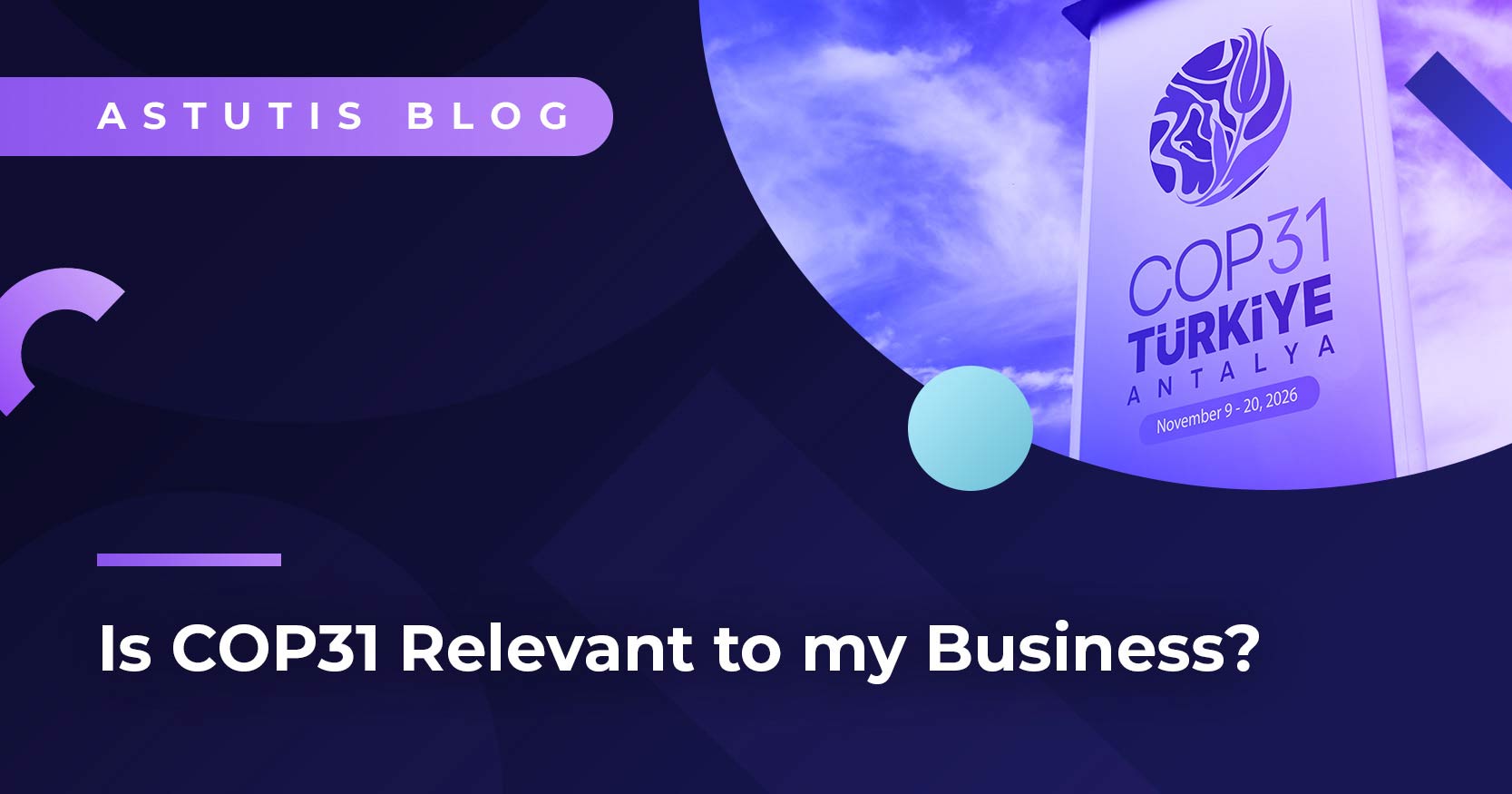
COP 31 Antalya | What Businesses Need to Know
Find out what to expect from COP 31 in Antalya, how its Action Agenda affects businesses of every size and which steps you can take now.02.11.26 -
What Is Lifecycle Thinking and Does It Apply to My Business?
Discover how lifecycle thinking helps any business cut environmental impact at every stage, from design to disposal, with a cardboard packaging example.02.11.26 -

How to Protect Employees From Asbestos | Guide for Employers
Find out how to protect your workforce from asbestos and the role training has in preventing the possible health risks of improper practice with the deadly substance.02.11.26 -
HSE Launches Campaign Urging Employers to Assess and Control Workplace Noise and Vibration Risks
HSE's new campaign urges employers to assess, control and protect against noise and vibration. Brenig Moore explains the duties and practical next steps.27.10.26

Real Life Stories

