







ISO 14001:2026 Explained | Key Changes and Transition Steps
The eagerly anticipated updated version of ISO 14001 has landed. A lot has changed, and organisations with ISO 14001:2015 will need to take steps to transition to ISO 14001:2026.
ISO 14001:2015 is a leading EMS which provides a framework to enable organisations to:
- Assess environmental risks and reduce their impacts
- Align routine operations and strategy to implement environmental action.
- Improve performance, which can reduce costs, waste and resources.
- Strengthen resilience.
- Demonstrate fulfilment of compliance obligations.
Central themes include:
- Adopting life-cycle thinking (LCT) requires collaboration within value chains.
- Continual improvement.
- The essential role of accountable leadership to ensure resources are available to implement, maintain and improve the EMS.
ISO 14001:2026 reflects the changing environmental landscape over the last decade as organisations grapple with:
- More stringent legislative requirements on climate change and biodiversity loss.
- Heightened expectations from interested parties to address ESG.
- Supply chain transparency.
The result is a move away from environmental management simply being a compliance activity to making it an integrated strategic priority. The revised standard can be used as a cornerstone to build resilience and adopt sustainable practices now and for the future. The update drives collaboration between strategy and operations teams to:
- Embed LCT throughout the value chain of their service or product.
- Gain data from monitoring areas of influence and control.
- Evaluate data to make informed performance improvements.
Clauses and Key Changes
Annex SL/Harmonised Structure consists of 10 clauses which set out what an ISO 14001 EMS should contain. The Annex is standardised enabling alignment between ISO 14001 and other ISO standards including 9001, 45001, 50001 which focus on quality, occupational health and safety and energy management respectively. The alignment fosters swift integration of the various management systems across these disciplines.
Key changes to ISO 14001:2026 concern clauses 3, 5, 6, 8 and 9 set out below:
Clause | Change |
3: Terms and definitions | New definition of risk and opportunities: potential adverse effects (i.e. risks) and potential beneficial effects (i.e. opportunities) |
5: Leadership | Clause strengthened for clarity. Leadership commitment is central to drive EMS and ensure accountability and engagement. |
6: Planning
| Further guidance and explanatory notes now available. |
Subclause 6.1.2: New clarification note | Greater detail for considering environmental aspects for each stage of an activity, product or service’s life cycle. |
New subclause 6.1.4: Risks and opportunities to emphasise former requirement of subclause 6.1.1 | Risks and opportunities arising from environmental aspects need to be assessed. This specifically includes emergency situations and strengthens the relationship between context (clause 4), aspects and planning.
|
New subclause 6.3: Planning of changes | Fosters planning and management of EMS to enable intended outcomes to be achieved. |
8: Operation | “Externally provided processes” replaces “outsourced processes” to provide clarity. |
9: Performance evaluation | General changes of wording promoting clarity and consistency. |
Subclause 9.2.2: Internal audit programme | Audit objectives are now explicitly defined including the criteria and scope to support effective evaluation of EMS. |
Next Steps for Existing Users of ISO 14001
- Consult the ISO 14001 certification body for clarification and plan the transition into the audit cycle.
- Conduct a gap analysis between the existing system and the new requirements.
- Check even small changes that may widen the scope and need action to measure environmental performance. The new, clearer language should enable a targeted response.
- Consider subclause 6.1.2 to ensure each life-cycle stage has been considered in sufficient detail and areas of control and influence have not been overlooked.
- If an environmental aspect or impact is reprioritised in clause 6, cross-reference the change to other clauses which may also need updating to ensure consistency.
- Cross-referencing an existing risk register with the asset register will assist the implementation of new subclause 6.1.4 regarding risks and opportunities.
As the revised standard has renewed the emphasis on leadership, this should enable the release of sufficient resources to coordinate and implement important strategies. The new clauses to manage risk/opportunity and plan change should foster flexibility and respond to uncertainty.
Next Steps for New Users of ISO 14001
The revised standard and guidance should simplify requirements for first time users who should:
- Conduct an initial environmental review with a gap analysis to consider what is already being done and what more is needed. As with quality, occupational health and safety and energy management systems, the plan-do-check-act (PDCA) model is used, enabling organisations to use systems they may already have in place.
- Report findings to the senior leadership team who must play a central role in the implementation and management of the EMS including the assessment of opportunities and risks.
- Devise an action plan to effect the requisite changes and outline key benefits.
When taking these steps, organisations should consider whether a phased approach is appropriate starting with core operational activities and then widening focus to include all areas within the organisation’s control and subsequently influence. Taking these proactive steps will help to identify and understand environmental risks and any opportunities for growth. It also enables stronger supply chain collaboration.
As before, key features of successful integration of ISO 14001 are:
- Leadership commitment.
- Integrated staff engagement with training.
- Availability of adequate resources.
- A life-cycle perspective.
- Engagement of interested parties.
- Understanding compliance obligations.
- Continual improvement.
Whether you're updating an existing EMS or implementing one for the first time, the revised standard demands stronger leadership, sharper risk thinking, and life-cycle integration.
Astutis offers two ISEP-accredited qualifications designed to give you the knowledge and confidence to drive environmental management at every level:
- ISEP Foundation Certificate in Sustainability and Environmental Management - An ideal for those new to the field or building a foundational understanding of EMS principles, compliance, and sustainable practice.
- ISEP Certificate in Sustainability and Environmental Management - A deeper qualification for professionals ready to lead EMS implementation, embed life-cycle thinking, and influence strategy across the value chain.
Equip yourself to turn ISO 14001:2026 from a standard into a strategic advantage.

Environmental Insights
-
More Than 6 Million Vapes Binned Each Week as Battery Fires Hit Waste Sites
Find out why binned vapes are causing battery fires in bin lorries and waste sites, and what health and safety teams can do to cut the risk.12.10.26 -
Most E-Bike and E-Scooter Fires Reported in 2025 Started Indoors or at Home
OPSS received reports of 267 e-bike and e-scooter fires in 2025, and 55% started indoors. Brenig Moore explains what it means for your fire risk assessment.06.10.26 -
Nearly Half of UK Employers Step Up In-House Talent Development, CIPD Report Finds
Nearly half of UK employers are growing talent in-house, says the CIPD. Brenig Moore explains what it means for safety training and competence.29.09.26 -
TfL to Retrofit Bus Cabs With Air Conditioning by 2027 Following Driver Heat Complaints
Discover what TfL’s pledge to air condition bus cabs by 2027 means for heat risk, duty of care and the UK’s missing legal temperature limit.22.09.26 -
New Law Makes Employers Liable for Third-Party Harassment from October 2026
From 30 October 2026, employers can be liable for harassment of staff by customers and clients. Brenig Moore explains the change and the reasonable steps to take now.15.09.26 -
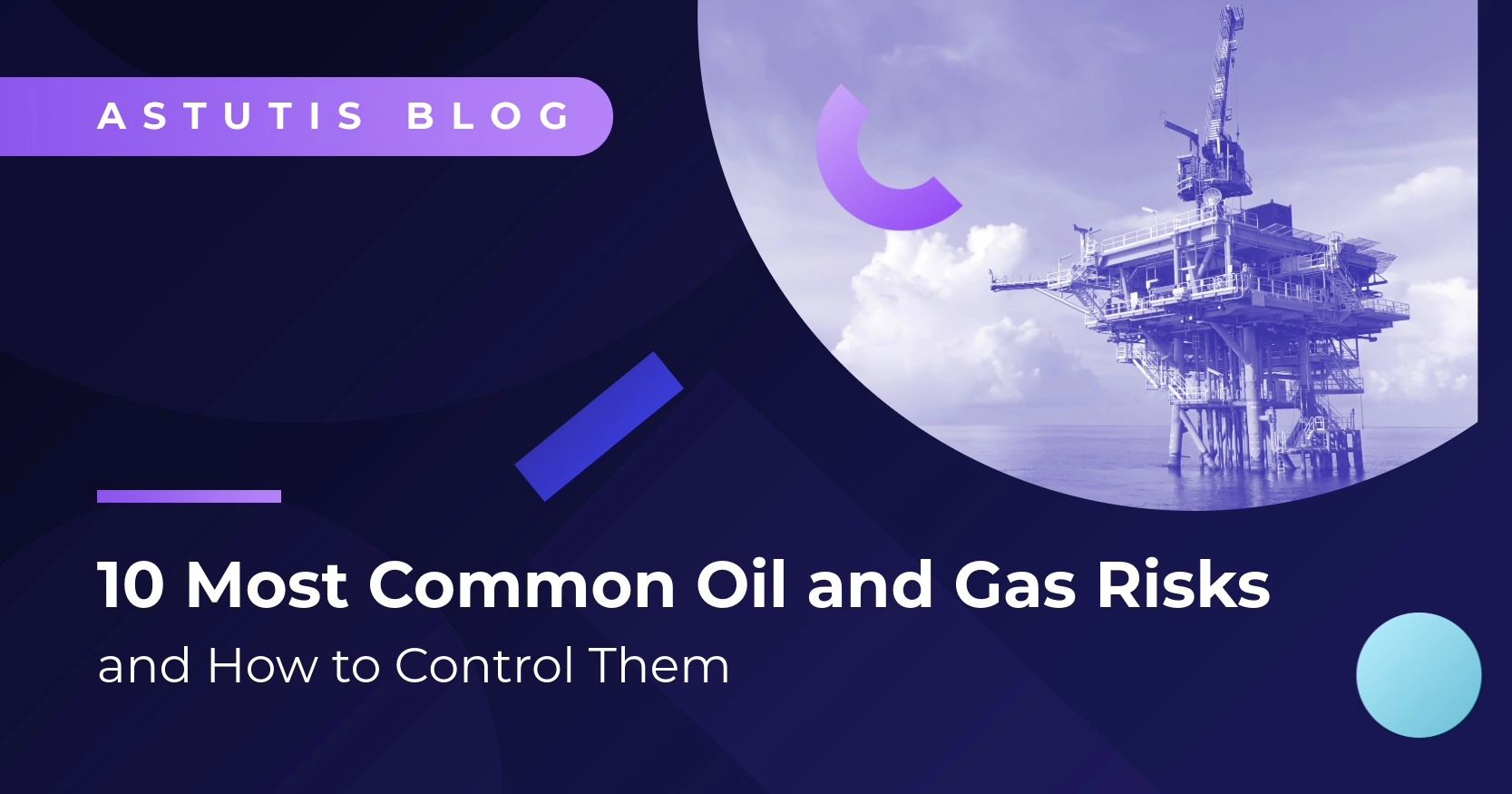
10 Most Common Oil and Gas Risks and How to Control Them
Discover the 10 most critical oil and gas industry risks and proven control strategies from HSE expert Brenig Moore. Essential guide for safety pros.15.09.26

Real Life Stories

