







The Cost of Non-Compliance | What Construction Directors Need to Know
I've seen countless construction firms learn expensive lessons about compliance the hard way. What strikes me most isn't the financial penalties, though those can be devastating. It's the ripple effect. Lost contracts, damaged reputations, and the human cost that no balance sheet can truly capture.
If you're a construction director reading this in 2025, you're operating in one of the most heavily scrutinised industries in the UK. The question isn't whether you can afford to invest in compliance. It's whether you can afford not to.
Legal and Financial Risks Facing UK Construction Firms in 2025
The landscape has become significantly more stringent. Under the Health and Safety at Work Act 1974, companies can face unlimited fines, and individual directors can be held personally liable with up to two years' imprisonment for serious breaches.
The Health and Safety Executive's enforcement approach has intensified considerably. Construction compliance penalties have escalated dramatically. In 2024, we saw several cases where fines topped £2 million, not just for fatalities but also for systemic failures in safety management.
UK safety law enforcement has also become more sophisticated. The HSE is increasingly willing to prosecute not just for accidents but for proactive breaches. This means directors can face action even when no one has been hurt, simply for failing to have adequate systems in place.
In HSE v Philip McGinn, a roofing business director received a thirteen-month suspended prison sentence, 200 hours of unpaid work, and prosecution costs despite no injury occurring after work was conducted without scaffolding or edge protection.

Expert Tip
Beyond direct fines, the indirect costs are staggering. Project delays, increased insurance premiums, and the loss of pre-qualification for major contracts can collectively exceed direct penalties by a factor of ten.
Here's what the true cost of non-compliance looks like beyond the headline fine:
- Project delays and stoppages: Investigations can halt work for weeks, costing £100,000 per week on major projects.
- Insurance premium increases: It’s common to see 30-50% rises following serious incidents, compounding annually.
- Reputational damage: Tier-one contractors increasingly exclude firms with prosecution records from approved supplier lists.
- Management distraction: Senior team time diverted to investigations, legal proceedings, and remediation.
I've witnessed firms lose their place on frameworks worth tens of millions because of a single serious breach. The indirect costs consistently exceed direct penalties by a factor of ten.
Strategic Safety Oversight | The Director’s Role
This is where many directors find themselves on uncertain ground, and frankly, where I see the most confusion in my consultancy work. The Construction (Design and Management) Regulations 2015 placed explicit duties on those in governance roles.
Under dutyholder regulations, you must demonstrate that you've taken all reasonably practicable steps to ensure safety, not just that you've appointed someone else to do so. I often tell directors, delegation is fine, abdication is criminal. You need documented evidence that proves you're actively engaged:
- Board-level safety discussions: Regular agenda items with documented minutes, not annual tick-box exercises
- Resource allocation decisions: Evidence that you funded safety improvements when risks were identified
- Competency verification: Proof that you've assessed the capabilities of your safety personnel and contractors
- Active monitoring participation: Records of site visits, safety walk-throughs, and management reviews
- Supply chain oversight: Due diligence on subcontractor safety standards and performance
The key shift I've observed over the past decade is that courts now scrutinise not just what went wrong on site, but what conversations happened in the boardroom beforehand. Did you ask the right questions? Did you challenge assurances? Did you allocate sufficient resources when risks were escalating? These are the questions that determine whether you're seen as a responsible director or a negligent one.
IOSH Managing Safely as a Risk Mitigation Tool
The IOSH Managing Safely course provides a framework that translates directly into the evidence base you'll need if the worst happens. It demonstrates that you've taken proactive steps to understand your legal duties, risk assessment principles, and the practical application of safety management systems.
For corporate safety training in UK organisations, this creates a defensible position. In prosecution cases, I've seen firms significantly reduce their culpability rating by providing evidence of systematic training programmes.
More strategically, IOSH training creates a common language across your organisation. When directors, managers, and supervisors all understand concepts like hierarchy of controls and active monitoring, safety integration into business decisions becomes natural rather than forced.
ROI of Safety Training | Cost vs. Consequences
Let's talk numbers, because this is where the business case becomes irrefutable. I've run these calculations with dozens of construction firms, and the pattern is always the same. Investment in training pays for itself many times over.
The IOSH training ROI calculation is straightforward when you look at real-world alternatives and the cost of construction incidents. A typical Managing Safely online course costs around £300-400 per delegate. If you purchase multiple seats, the price can get as low as £165 per delegate. Now compare that against what I call "the cost of learning the hard way":
Cost Category | Average Impact | Annual Exposure |
Reportable injury | £20,000 - £30,000 per incident (average) | 2-3 incidents (industry average) |
Major project stoppage | £50,000-100,000 per week | 1-2 weeks is the typical investigation |
Management time diverted | £150,000+ in senior salaries | 6-12 months legal proceedings |
But here's what really matters from a business perspective: companies with strong safety cultures win more work. Tier-one contractors increasingly require evidence of management competency before awarding subcontracts. If you ask me, safety is not a cost centre, it’s a competitive advantage.
Ready to get a quote for your business? View the IOSH Managing Safely course page below and discover how this internationally recognised qualification can transform your approach to safety leadership while protecting your business from the escalating costs of non-compliance.

Construction Safety Requirements
-
More Than 6 Million Vapes Binned Each Week as Battery Fires Hit Waste Sites
Find out why binned vapes are causing battery fires in bin lorries and waste sites, and what health and safety teams can do to cut the risk.12.10.26 -
Most E-Bike and E-Scooter Fires Reported in 2025 Started Indoors or at Home
OPSS received reports of 267 e-bike and e-scooter fires in 2025, and 55% started indoors. Brenig Moore explains what it means for your fire risk assessment.06.10.26 -
Nearly Half of UK Employers Step Up In-House Talent Development, CIPD Report Finds
Nearly half of UK employers are growing talent in-house, says the CIPD. Brenig Moore explains what it means for safety training and competence.29.09.26 -
TfL to Retrofit Bus Cabs With Air Conditioning by 2027 Following Driver Heat Complaints
Discover what TfL’s pledge to air condition bus cabs by 2027 means for heat risk, duty of care and the UK’s missing legal temperature limit.22.09.26 -
New Law Makes Employers Liable for Third-Party Harassment from October 2026
From 30 October 2026, employers can be liable for harassment of staff by customers and clients. Brenig Moore explains the change and the reasonable steps to take now.15.09.26 -
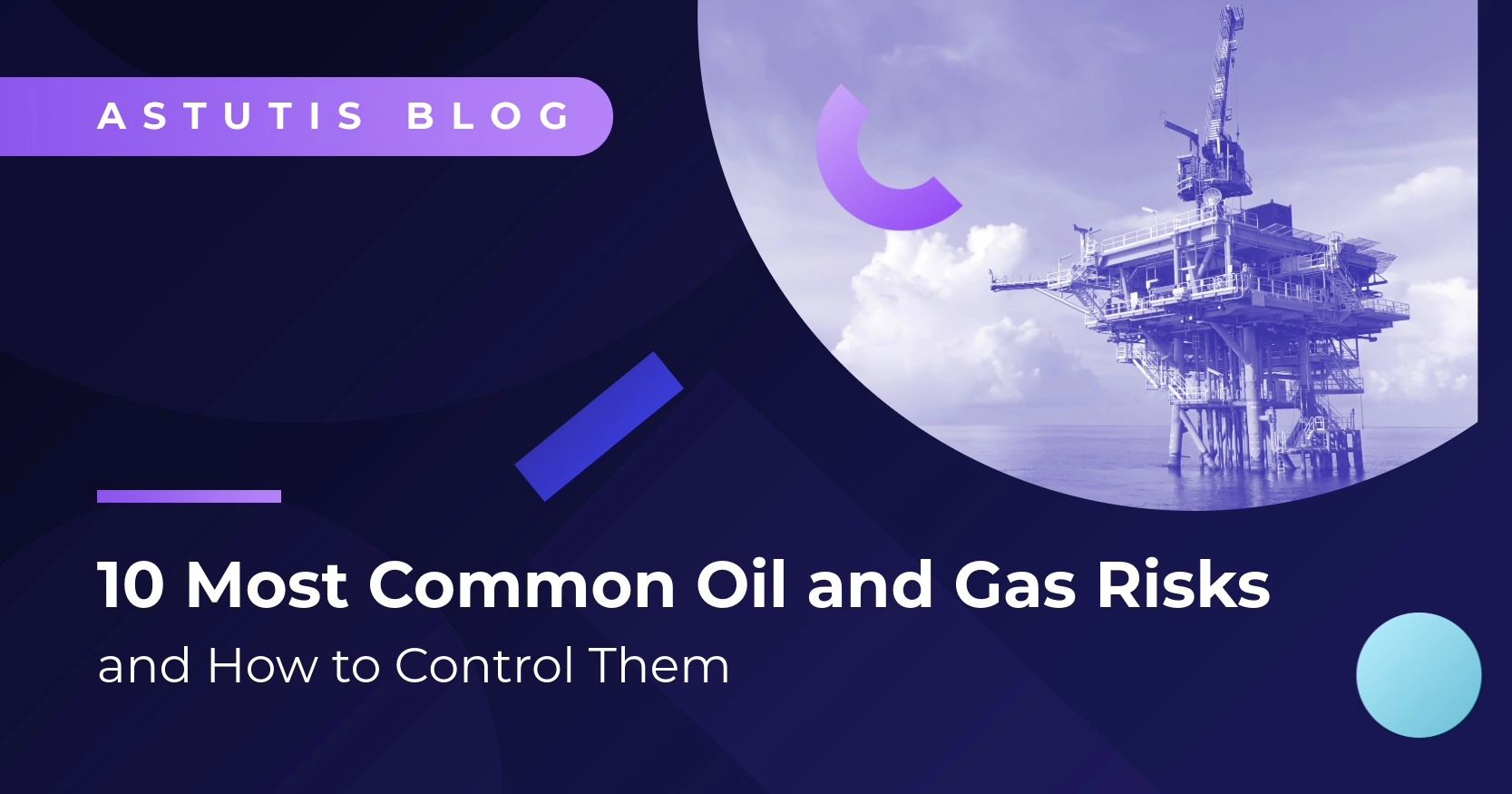
10 Most Common Oil and Gas Risks and How to Control Them
Discover the 10 most critical oil and gas industry risks and proven control strategies from HSE expert Brenig Moore. Essential guide for safety pros.15.09.26

Real Life Stories

