







The Silent Stress Epidemic | Workers Confide in Friends, Not Managers
Many leaders take pride in maintaining strong, friendly relationships with their teams. However, recent data suggests that when it comes to workplace stress, employees are far more likely to turn to their partners or close friends than to managers or senior leaders.
This finding highlights a deeper cultural concern. For many employees, the workplace is not perceived as a psychologically safe environment to discuss stress openly.
Workplace stress remains an often invisible challenge that quietly affects performance, well-being, and, ultimately, personal lives. Much like a slow leak in a tyre, it gradually erodes pressure and stability, leading to declining standards and productivity. Yet, “silent stress” rarely sets off alarms until it’s too late.
Who Employees Talk to About Stress, And Who They Don’t
The results of the Workplace Silent Stress Survey 2025 give much food for thought, with 43.6% of employees discussing their anxieties with their partner, and 12.8% opening up about stress to their friends.
When it comes to employees addressing stress within the workplace environment, the results are revealing:
- 20.3% confide in a colleague on the same team
- Only 4.7% speak to their manager
- Just 1.3% engage with leadership
These numbers portray a widespread workplace culture where employees may feel unsafe to raise stress-related concerns, preferring to suffer in silence. Something that can actually be more damaging than may first appear, as, although family and friends can offer emotional support, they have no power to implement changes to workloads or processes. It is management that is positioned to address the root causes that often underpin stress.
The Consequences of Silent Stress
Allowing stress to go undiscussed can have significant implications for both employees and organisations.
Indeed, survey participants reported serious effects on work:
- 63.2% have considered leaving their job due to stress
- 52.6% have made mistakes at work
- 32.9% clashed with team members
- 27.8% called in sick
- 27.5% missed deadlines
Unaddressed stress not only impacts productivity and collaboration but also contributes to absenteeism, turnover, and declining engagement. All consequences that reach far beyond the individual employee.
The Ripple Effect | When Workplace Stress Comes Home
The survey also reveals that stress rarely stays at the office, but can spill into home life. Many participants reported personal repercussions, including:
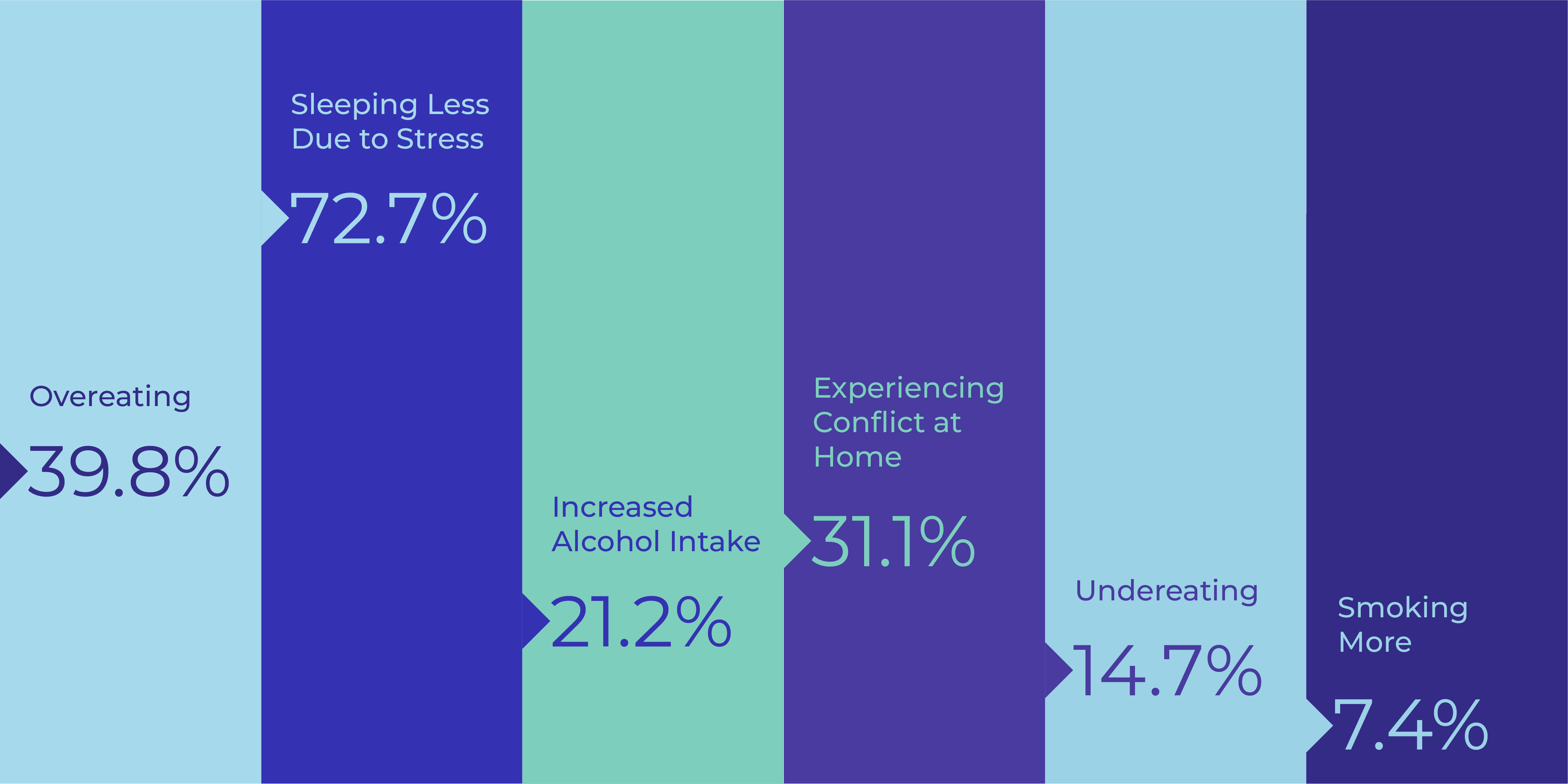
The survey shows that silent stress clearly affects sleep, personal relationships, and well-being - all consequences that extend well beyond the office, and can even affect the lives of others.
Why Does Stress Remain Silent?
The survey establishes that employees are turning to partners instead of managers. But why is that the case?
The answers from the 553 participants highlight a broader cultural problem: psychological safety at work just isn’t enough. Let’s take a look at some of the factors contributing to the issue:
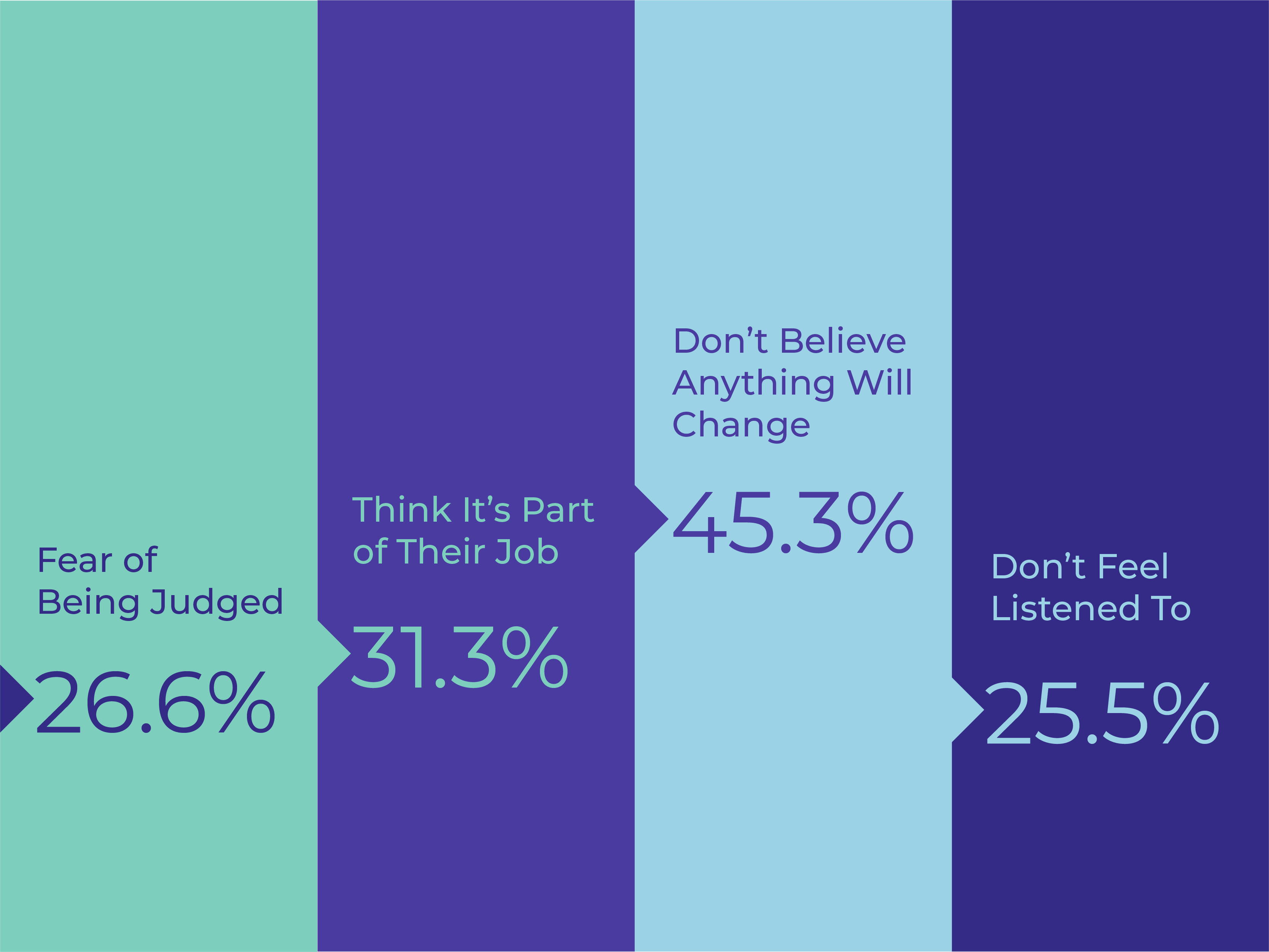
That means over a staggering 50% of survey respondents believe they could go down in the estimation of others in some way, or be considered unfit for their job, if they dare to talk about the stress they are experiencing.
Leadership and Well-Being Training | Creating a Safer Workplace Culture
The silent stress epidemic is real. And resolving it demands awareness and cultural change - the sooner, the better for everyone in the workplace and outside. Astutis can help by offering robust leadership and well-being training designed to address any gaps. Take a look at what we can do for your business:
- We support the development of psychologically safe workspaces by training leaders to recognise and respond to stress. Through our IOSH Behavioural Science for Leadership in Safety course, managers can better understand behaviour, and influence a positive culture while fostering open dialogue.
- We empower managers and teams with training that builds confidence in raising concerns. Our IOSH Managing Occupational Health & Well-Being course equips line managers with practical strategies to support team mental health.
- We guide organisations in integrating stress management and mental health awareness into everyday processes. Our Stress & Well-Being Toolkit (IIRSM-approved) helps employees understand their stress triggers and responses, with content designed to be revisited as needed.
- We enable you to address the root causes of stress and nurture a thriving, resilient team. Our Mental Health & Workplace Safety course provides a structured approach to build capacity, reduce presenteeism, and ultimately, improve productivity.
Silent Stress | The Cultural Issue You Can’t Afford to Ignore
Don’t think of employee stress as an individual issue, but rather a cultural signal. When employees turn to friends instead of managers, it highlights a communication breakdown that can ripple through your organisation and beyond.
By prioritising psychological safety and leadership training today, you can create an environment where employees feel supported and confident in raising any concerns. The result is a workplace culture built on trust and resilience, giving your teams the tools they need to innovate and perform at their best, well into the future.
Workplace Health & Safety Insights
-
HSE Launches Campaign Urging Employers to Assess and Control Workplace Noise and Vibration Risks
HSE's new campaign urges employers to assess, control and protect against noise and vibration. Brenig Moore explains the duties and practical next steps.27.10.26 -
European Parliament Backs Tougher Limits on Cancer-Causing Chemicals at Work
Discover what the EU's sixth CMRD revision means for exposure limits, firefighters, PPE and training, and why UK safety pros should act now.19.10.26 -
More Than 6 Million Vapes Binned Each Week as Battery Fires Hit Waste Sites
Find out why binned vapes are causing battery fires in bin lorries and waste sites, and what health and safety teams can do to cut the risk.12.10.26 -
Most E-Bike and E-Scooter Fires Reported in 2025 Started Indoors or at Home
OPSS received reports of 267 e-bike and e-scooter fires in 2025, and 55% started indoors. Brenig Moore explains what it means for your fire risk assessment.06.10.26 -
Nearly Half of UK Employers Step Up In-House Talent Development, CIPD Report Finds
Nearly half of UK employers are growing talent in-house, says the CIPD. Brenig Moore explains what it means for safety training and competence.29.09.26 -
TfL to Retrofit Bus Cabs With Air Conditioning by 2027 Following Driver Heat Complaints
Discover what TfL’s pledge to air condition bus cabs by 2027 means for heat risk, duty of care and the UK’s missing legal temperature limit.22.09.26

Real Life Stories

