







Why IOSH Managing Safely Is Essential for Site Managers in 2025
Through all the changes the construction industry has experienced over the decades, one constant has remained. The critical importance of competent site managers who understand their safety legal responsibilities and build a strong culture of safety in their teams. With 35 construction workers losing their lives between April 2024 and March 2025, representing 28% of all workplace fatalities in the UK, the industry remains under a watchful eye.
Through this, the IOSH Managing Safely course has become an essential foundation for any site manager serious about protecting their teams and their organisation.
The Role of Site Managers in Legal Compliance and Safety Culture
Site managers sit at the intersection of multiple legal obligations, from CDM 2015 to the Building Safety Act 2022. They are the dutyholder responsible for ensuring every person on your site goes home safely. This means understanding construction site hazard training, implementing robust safety systems, and maintaining construction safety leadership that cascades through your entire team.
The human cost of inadequate safety management:
- 47,000 construction workers are injured annually.
- 78,000 suffering from work-related ill health.
- Over half of all deaths result from falls from height.
- Most accidents stem from management failures, not worker carelessness.
As someone who's investigated countless incidents, I can tell you that site managers who invest in proper training through programmes like IOSH Managing Safely develop the mindset and practical tools to prevent these tragedies before they occur. The difference between a compliant site and an unsafe one often comes down to whether the person in charge truly understands their responsibilities.
What makes construction particularly challenging is the complexity of modern regulations. The Building Safety Act requires meticulous record-keeping, gateway approvals, and competency verification at every level. The CDM Regulations demand that principal contractors coordinate multiple duty holders while maintaining comprehensive construction phase plans. Without proper training in site manager health and safety principles, even experienced professionals can find themselves overwhelmed by these interlocking requirements.
IOSH Managing Safely | What the Course Covers
The beauty of IOSH Managing Safely lies in its practical, scenario-based approach. Having taught versions of this material for years, I've seen firsthand how it transforms managers from passive compliance officers into proactive safety leaders. The course has been updated for 2025 with enhanced interactive elements, fresh video content, and real-world case studies that reflect current industry challenges.
What you'll gain from the course:
- Systematic approaches to identifying hazards before they become incidents.
- Practical risk assessment techniques ready for immediate site application.
- Understanding of legal frameworks and personal responsibilities.
- Incident investigation methodologies focused on root causes.
- Tools for building a positive safety culture through worker engagement.
Hazard Identification & Risk Control
The course teaches the hierarchy of controls—a framework I use daily when advising clients. Rather than relying solely on PPE (the least effective control), you'll understand how to eliminate risks through design, implement engineering controls, and create administrative systems that actually work in the chaos of an active construction site.
The "Focus Four" hazards addressed in construction hazard training:
Hazard Type | Impact | IOSH Managing Safely Coverage |
Falls from height | 50%+ of construction deaths | Prevention strategies, edge protection, scaffolding safety |
Struck-by incidents | Significant injury cause | Site logistics, exclusion zones, lifting operations |
Caught-in/between | Crush and trapping risks | Machine guarding, excavation safety, vehicle movements |
Electrocutions | Fatal and serious injuries | Isolation procedures, underground services, overhead lines |
Falls from height remain the leading cause of construction fatalities. The construction hazard training within IOSH Managing Safely specifically addresses this persistent risk with practical solutions you can implement immediately. You'll move beyond theory to real risk assessment techniques you can deploy the Monday morning after your course finishes.
Emergency Planning & Legal Responsibilities
When something goes wrong on site, your response in those first critical minutes determines everything. The IOSH Managing Safely course content covers incident investigation methodologies that help you understand root causes rather than simply blaming the nearest worker.
Key legal knowledge you'll develop:
- Distinctions between civil and criminal liability.
- Your personal responsibilities as a site manager under CDM 2015.
- When to seek specialist legal or technical advice.
- Documentation requirements for regulatory compliance.
- How to conduct effective incident investigations.
This shift in thinking is absolutely crucial for building a just culture where people feel safe reporting near-misses and concerns. I've seen too many managers paralysed by fear of prosecution when straightforward compliance measures would have protected everyone involved.
2025 Legislation That Makes IOSH Training Critical
If you completed your training five years ago, you're working with outdated information. The regulatory landscape has shifted dramatically, and UK safety laws 2025 requirements demand that site managers stay current with their knowledge.
Major legislative changes affecting site managers in 2025:
Legislation | Key Changes | Impact on Site Managers |
Building Safety Levy | Autumn 2025 implementation | New fees on residential buildings regardless of height |
Building Registration | 11-18m buildings now required | Extended compliance and record-keeping obligations |
CSCS Cards | All legacy cards expire 2025 | Workforce competency verification required |
Remediation Acceleration Plan | 2029 cladding deadline | Accelerated timelines for safety remediation work |
The Building Safety Act has created new duties for higher-risk buildings that fundamentally change how we plan, build, and manage projects. The obligation to register buildings above 18 metres has closed previous knowledge gaps, meaning more site managers now fall under stringent regulatory oversight than ever before.
Why your existing experience isn't enough:
- Golden thread information requirements demand new tracking systems throughout a building's lifecycle.
- Gateway approval processes create hard stops that traditional construction management didn't address.
- Enhanced dutyholder responsibilities under Building Safety Act 2022 extend personal accountability.
- Competency frameworks are now explicitly defined, assumptions of experience are no longer sufficient.
From my consultancy work, I've noticed a concerning trend. Many site managers assume their existing experience covers these new requirements. It doesn't. IOSH compliance training provides exactly the evidence of up-to-date knowledge that organisations need, particularly when paired with schemes like SMSTS (Site Management Safety Training Scheme).
The Construction Skills Certification Scheme (CSCS) evolution emphasises the sector-wide recognition that everyone on site must demonstrate current competence. This a direct response to the 79% increase in construction fatal injury rates since 2018/19. We need better-trained managers, and we need them now.
Real-World Impact | Case Studies from UK Construction Sites
The proof of IOSH Managing Safely's value lies in measurable results on actual construction sites across the UK. One of the most compelling examples comes from our long-standing partnership with CEMEX, a major player in the construction materials sector.
CEMEX operates over 230 concrete mixing plants across the UK, employing approximately 40,000 people worldwide who supply ready-mixed concrete, cement, aggregates and asphalt materials to construction projects nationwide. With annual UK sales around £775 million, managing health and safety across such a geographically dispersed operation presents significant challenges, exactly the scenario where IOSH Managing Safely proves its worth.
Operating across multiple sites with varied operational demands meant CEMEX needed a flexible yet consistent approach to developing competent site managers. Traditional classroom training struggled to accommodate the geographical spread and operational pressures of a business delivering materials to construction sites across the entire country.
We've worked closely with the CEMEX UK Central HSE Team to create a training programme that addresses their specific needs.
Key aspects of the approach included:
- In-company training delivery at multiple CEMEX sites across the UK.
- Online learning options for managers unable to attend classroom sessions due to operational demands.
- Flexible scheduling that accommodates the 24/7 nature of construction materials supply.
- Consistent quality across all delivery methods, ensuring every manager receives the same standard of training.
The results from our training efforts were as follows:
Outcome | Impact on CEMEX Operations |
More motivated workforce | Staff value the organisation's commitment to their welfare and professional development. |
Regulatory compliance | Competent workforce meeting legal health and safety requirements across 230+ sites. |
Consistent safety culture | Unified approach to safety management regardless of location. |
Extended influence | CEMEX contractors now referred to as Astutis, spreading safety standards through supply chain. |
Research consistently shows that organisations investing in management-level safety training see measurable returns on investment. When your site managers understand how to create effective safety systems rather than just completing paperwork, everyone benefits, workers go home safe, projects run smoothly, and your organisation's reputation strengthens.
From my three decades in the industry, I can confidently say the difference between reactive and proactive safety management almost always traces back to the quality of training that site managers receive.
Get Started with IOSH Managing Safely Today
The construction sector is at an inflection point. With fatal injury rates in construction having increased by nearly 79% since 2018/19, we cannot continue with business as usual. Every site manager needs current, comprehensive training that reflects 2025's regulatory reality and emerging industry best practices.
Why IOSH Managing Safely remains the gold standard for site managers:
- Internationally recognised qualification demonstrating current competence.
- Practical, scenario-based learning applicable from day one.
- Updated for 2025 with latest regulatory requirements.
- Covers CDM 2015, Building Safety Act, and emerging legislation.
- Flexible delivery options to suit your schedule and learning style.
IOSH Managing Safely provides exactly the foundation that modern construction demands. At Astutis, we've trained over 100,000 health and safety professionals, and I can confidently say this course remains one of the most impactful investments you can make in your career and your team's wellbeing.
The question isn't whether you can afford to invest in IOSH Managing Safely, it's whether you can afford not to. With construction remaining the UK's most fatal sector and regulatory scrutiny intensifying, competent site management isn't optional. It's essential.
Want to see exactly what IOSH Managing Safely offers before committing? Access a demo of IOSH Managing Safely through the course page to explore the interactive content, updated 2025 materials, and practical scenarios that have transformed safety management for thousands of construction professionals.

Construction Safety Requirements
-
More Than 6 Million Vapes Binned Each Week as Battery Fires Hit Waste Sites
Find out why binned vapes are causing battery fires in bin lorries and waste sites, and what health and safety teams can do to cut the risk.12.10.26 -
Most E-Bike and E-Scooter Fires Reported in 2025 Started Indoors or at Home
OPSS received reports of 267 e-bike and e-scooter fires in 2025, and 55% started indoors. Brenig Moore explains what it means for your fire risk assessment.06.10.26 -
Nearly Half of UK Employers Step Up In-House Talent Development, CIPD Report Finds
Nearly half of UK employers are growing talent in-house, says the CIPD. Brenig Moore explains what it means for safety training and competence.29.09.26 -
TfL to Retrofit Bus Cabs With Air Conditioning by 2027 Following Driver Heat Complaints
Discover what TfL’s pledge to air condition bus cabs by 2027 means for heat risk, duty of care and the UK’s missing legal temperature limit.22.09.26 -
New Law Makes Employers Liable for Third-Party Harassment from October 2026
From 30 October 2026, employers can be liable for harassment of staff by customers and clients. Brenig Moore explains the change and the reasonable steps to take now.15.09.26 -
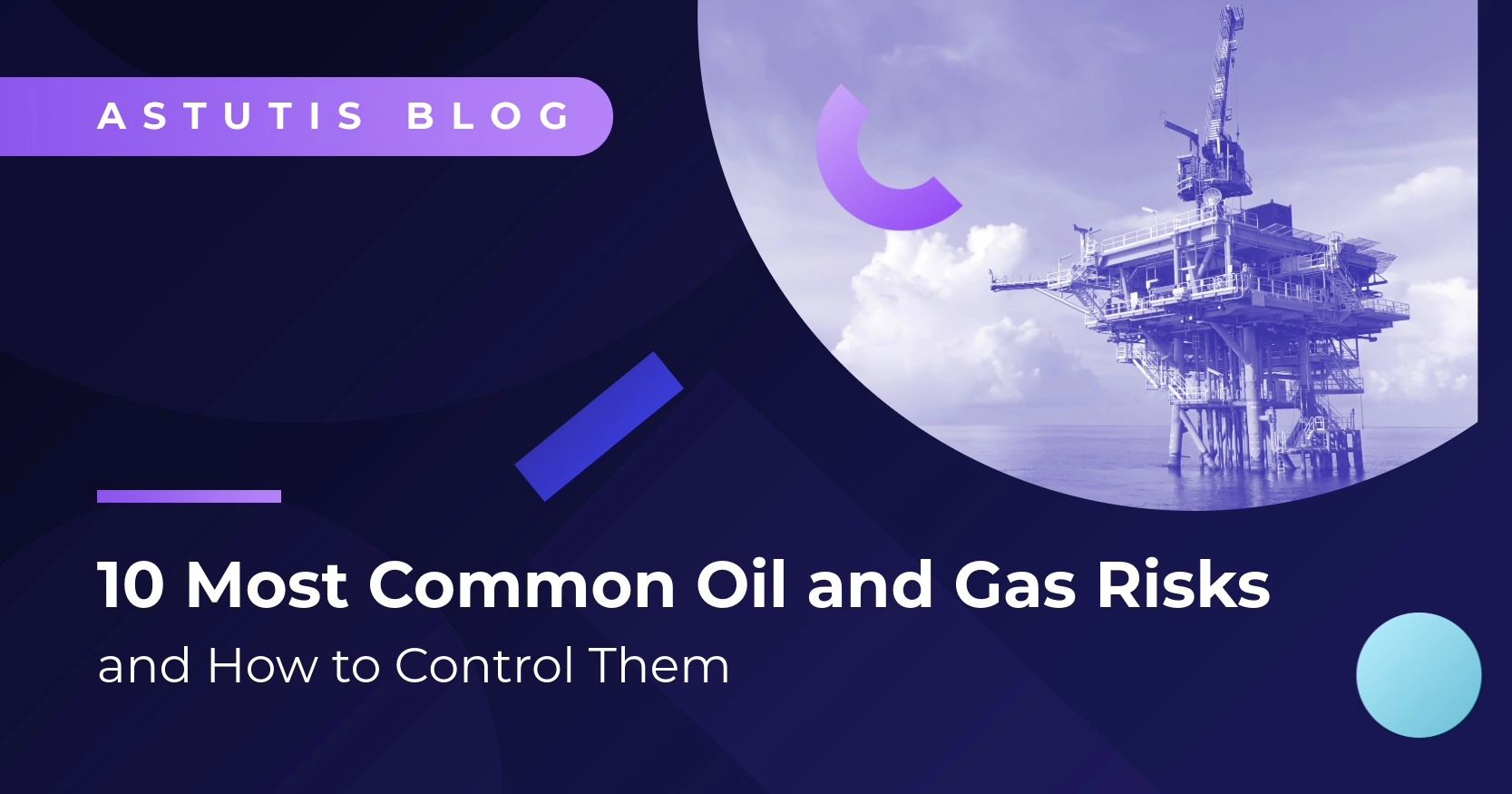
10 Most Common Oil and Gas Risks and How to Control Them
Discover the 10 most critical oil and gas industry risks and proven control strategies from HSE expert Brenig Moore. Essential guide for safety pros.15.09.26

Real Life Stories

