







HSE Confirms Building Safety Regulator Will Take ‘Months and Years’ to Fully Establish
The Health and Safety Executive’s (HSE) AGM on 29 July 2025 marked a significant milestone in the ongoing evolution of the Building Safety Regulator (BSR). Sarah Albon, HSE Chief Executive, confirmed that while the move of the BSR into the Ministry of Housing, Communities, and Local Government (MHCLG) is now formally underway, the process of creating a fully functioning executive agency will take “months and years.”
For those of you who might be unaware, the Building Safety Regulator (BSR) was created under the Building Safety Act 2022 in response to the Grenfell Tower tragedy and the findings of the Hackitt Review. Since 2021, the BSR has been operating within the Health and Safety Executive (HSE), drawing on its regulatory expertise and enforcement experience. The transfer to MHCLG had always been planned to give the BSR a clearer policy link to housing and planning while allowing the HSE to return its focus to workplace health and safety.
The gradual transition is both expected and necessary. Setting up a regulator of this scope requires legal and structural adjustments to find an optimal process, as well as adequate time to meet cultural and operational standards. It is one thing to transfer statutory functions; it is quite another to build a regulator capable of delivering long-term trust and confidence in the built environment.
How a Regulator in Transition Affects the Health and Safety Industry
The key concern that emerged from the AGM is time. Industry professionals, developers, building owners, contractors, and consultants are already grappling with extended determination periods for BSR applications. Philip White, BSR Chief, revealed that nearly 70% of applications are currently being rejected, which is striking. The fact that 40% of submissions are invalid at the very first stage reveals a systemic problem: the industry is still struggling to meet the most basic compliance thresholds.
This points to two parallel truths. First, the BSR’s move to MHCLG will not, in itself, resolve the delays in the short term. In fact, the transition may exacerbate resourcing and process bottlenecks while the new agency beds in. Second, health and safety professionals, who are often the bridge between regulatory expectations and industry delivery, will become more critical than ever in helping organisations get it right the first time.
Raising Standards: The Role of Health and Safety Professionals
For professionals in our sector, this moment is an inflexion point. It reflects a wider gap in regulatory literacy, design competence, and safety culture across the industry.
The HSE has rightly identified the need for “good quality applications,” but the responsibility for achieving this lies with those preparing and submitting them, designers, consultants, and safety leads. Those responsible for health and safety must see this as an opportunity to step up, ensuring that applications clearly evidence compliance with building regulations and safety principles from the outset.
In practice, this means:
- Early integration: Being involved at the concept and design stage, not just at sign-off.
- Competence in building safety law: Developing a strong working knowledge of the Building Safety Act 2022, its secondary legislation, and the evolving BSR processes.
- Collaboration with multi-disciplinary teams: Engaging with fire engineers, structural specialists, and building control officers to ensure a joined-up approach.
- Driving a culture of completeness and quality: Educating clients and project teams on the cost of delays versus the value of getting applications right the first time.
What Does the Future Look Like
In the medium term, the creation of multi-disciplinary teams within the BSR to handle new-build applications is a positive step.
If successful, this model could help ease determination delays and provide greater consistency of oversight. The phasing in of Class 2 inspectors for lower-risk work is also a sensible move, freeing up more specialist expertise for high-risk cases.
But let’s be clear, the transition to MHCLG is a marathon, not a sprint. The HSE has laid solid foundations, and the new agency must build on them without losing momentum.
For health and safety professionals, this period will test not only our technical competence but also our ability to lead, influence, and instil confidence in our organisations.
The health and safety profession has always thrived in moments of regulatory change. The move of the BSR into MHCLG should not be seen as a source of uncertainty.
Those of us advising on building safety must rise to the challenge, to ensure that applications are complete and robust, and to help the industry deliver safer buildings, faster. The regulator can only ever be as effective as the submissions it receives, and that is where our expertise can make a difference.
Interested in becoming an expert in the health and safety profession and ensuring compliance across your organisation? Establish the foundations of health and safety expertise with the NEBOSH General Certificate below.
You can also stay up to date with the latest developments in the industry by reading any of our related blogs below.
This Week in Health and Safety
-
Accident Prevention Without a Plan | Britain Deserves Better
Read our opinion on the government’s response to the national accident prevention strategy proposed by RoSPA with clear leadership, unified policy, and life-saving government direction.14.08.25 -

Deadly Driving Habits Rampant Among Work Drivers, New Study Reveals
Read about dangerous driving trends among business fleets, exposing how poor habits behind the wheel impact safety, compliance, and operational costs.05.08.25 -

Fix It or Face Jail: Government Cracks Down on Unsafe Cladding
Read about the latest update to the government’s remediation bill to protect residents from the dangers of unsafe cladding, which includes a strict deadline.29.07.25 -
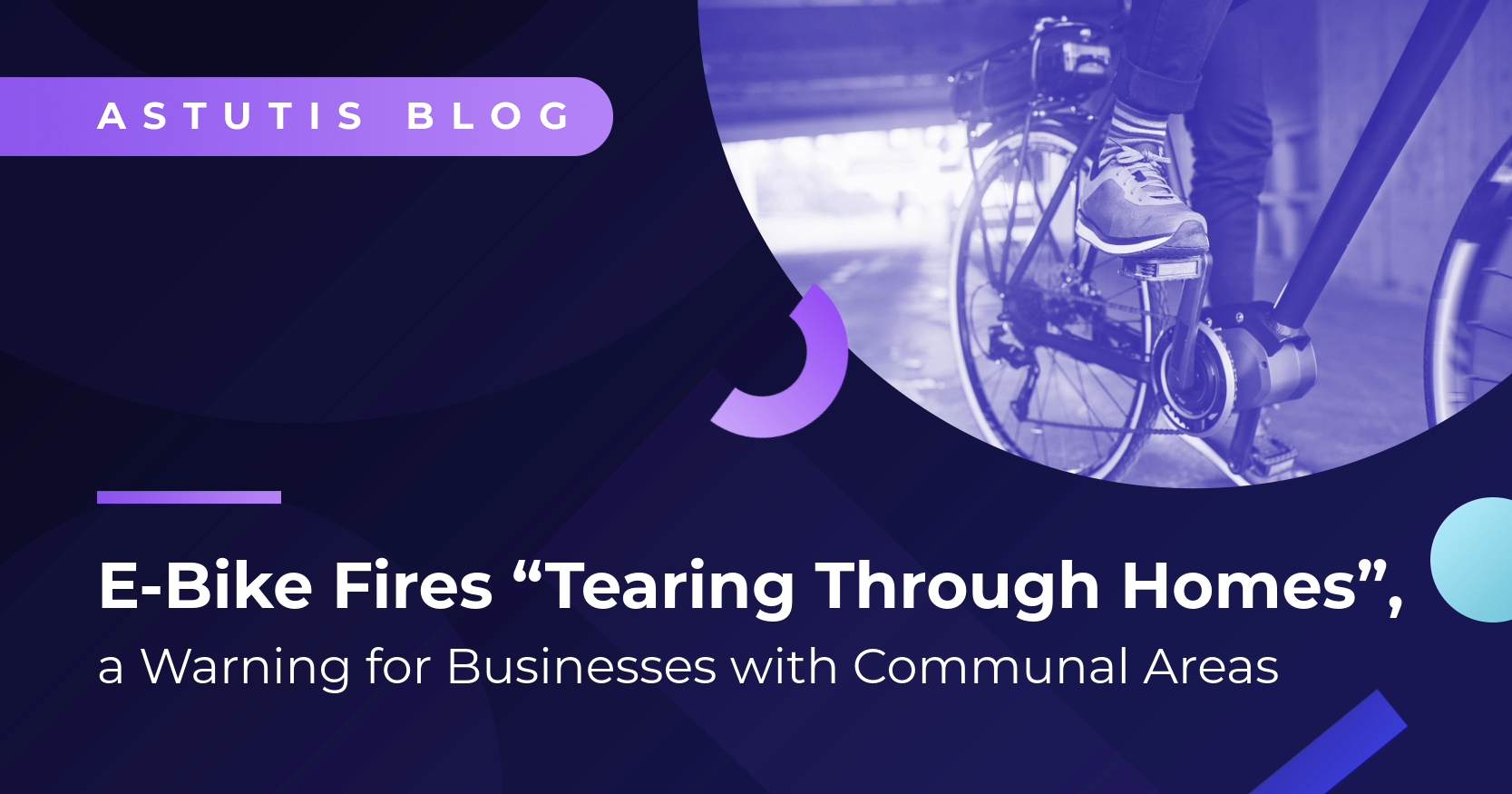
E-Bike Fires “Tearing Through Homes”, a Warning for Businesses with Communal Areas
Read our report on the surge of e-bike fires reported by Electrical Safety First, with expert insights on how to avoid potential lithium-ion battery fires in the workplace.16.07.25 -

UK Fatal Injury Statistics Summary & Key Takeaways | Safety Expert Explains
Find out why the latest Health and Safety Executive fatal injury statistics update has revealed some worrying trends, with increasing fatalities in construction and agriculture, self-employed workers at risk, and public deaths rapidly rising.02.07.25 -
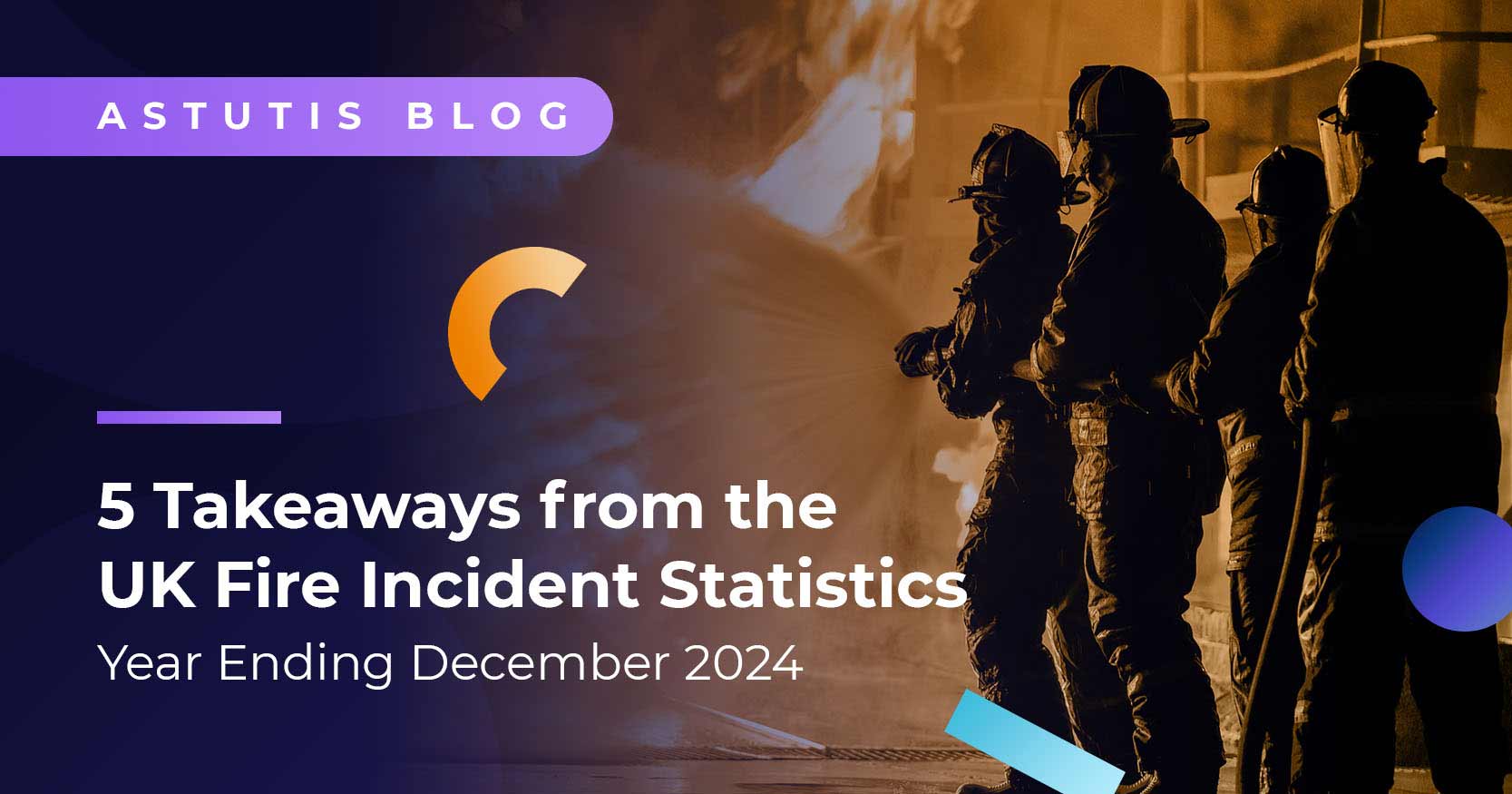
5 Takeaways from the Latest UK Fire Incident Statistics
Find out our biggest takeaways from the latest fire incident statistics for England, with practical expert advice on how businesses might use them to develop their own fire safety protocols.13.06.25

Real Life Stories

